

Think back to a trip you took years ago. What comes to mind first? For a lot of people, it isn't the famous landmark or the perfect photo. It's a table. A bowl of something warm on a rainy evening, a market breakfast eaten standing up, a long dinner that ran well past dessert while the conversation kept going.
Food has a way of staying with us long after the rest of the details fade. And once you understand why, you can plan your trips, and your meals, in a way that gives you more of those memories.
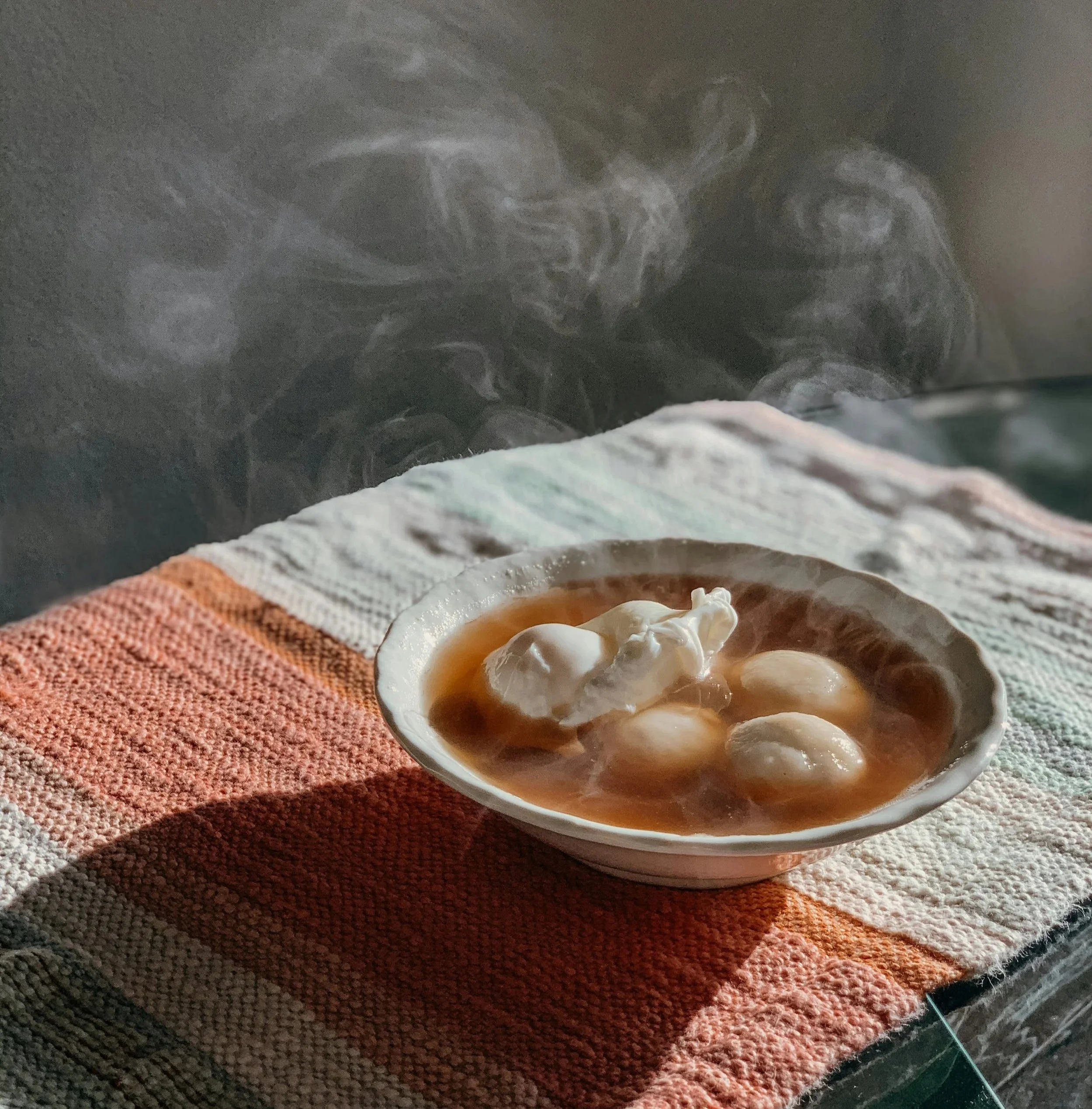
Why Food Stays With Us
Much of what we call taste is actually flavor, a blend of taste and smell. When you chew, tiny molecules travel from your mouth up to your nose, which is part of why a meal can feel so rich. Scientists have a name for the sudden rush of memory that a taste or smell can bring on: the Proust effect, after the writer Marcel Proust, who described a sip of tea and a bite of madeleine bringing his childhood flooding back.
Researchers are still working out exactly how and why this happens. Some studies suggest that scent-triggered memories can feel especially emotional and detailed, while other work shows the picture is more complicated, and that culture and personal experience shape which smells bring back which memories. What most of us know from experience is simpler: certain flavors can take you right back to a place.
Meals also tend to come with company. Oxford University researchers who studied social eating found that people who eat socially more often tend to feel happier and more satisfied with their lives, and to have wider social support. It's an association and not proof of cause, but it matches what many of us feel at a good table while traveling: the meal and the people around it are tied together.
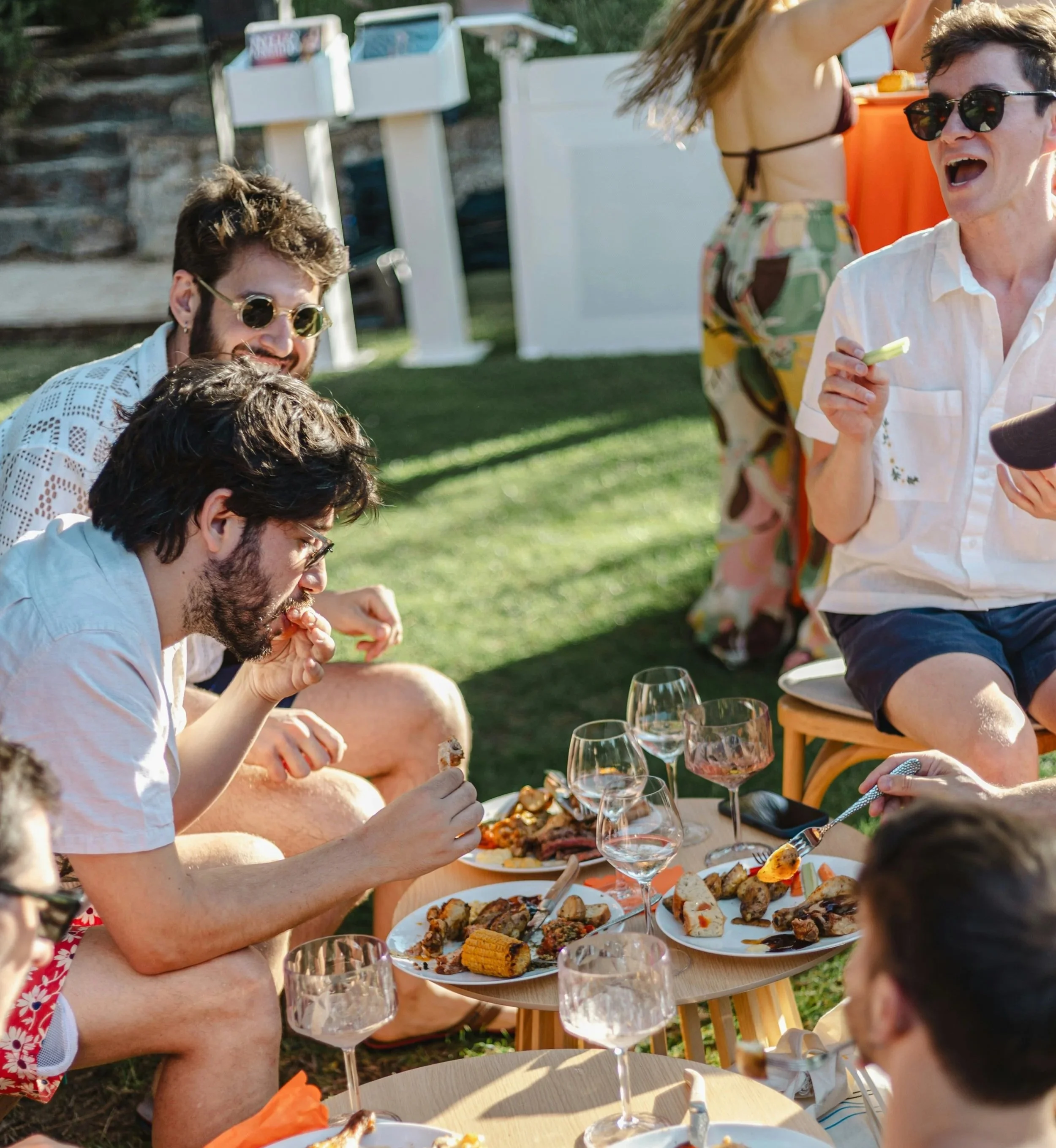
What Makes a Meal Memorable on the Road
When I think about what turns an ordinary meal into one you'll talk about for years, a few things come up again and again.
A sense of place. The dish couldn't come from anywhere else. It's made with what grows nearby, in a way that's part of the local story.
A person behind it. A chef who explains the dish, a family that has run the same kitchen for generations, a guide who knows which stall has the best version. Food with a person attached to it sticks.
Time. A meal that isn't rushed gives you room to notice, taste, and talk. This is one reason slow travel and good food go so well together.
Something new. Trying a dish you've never had, or one you'd normally pass on, turns a meal into a small adventure.
The right company. Whether it's your travel partner, your family, or a table of strangers who become friends by dessert, shared meals are where trips turn into stories.
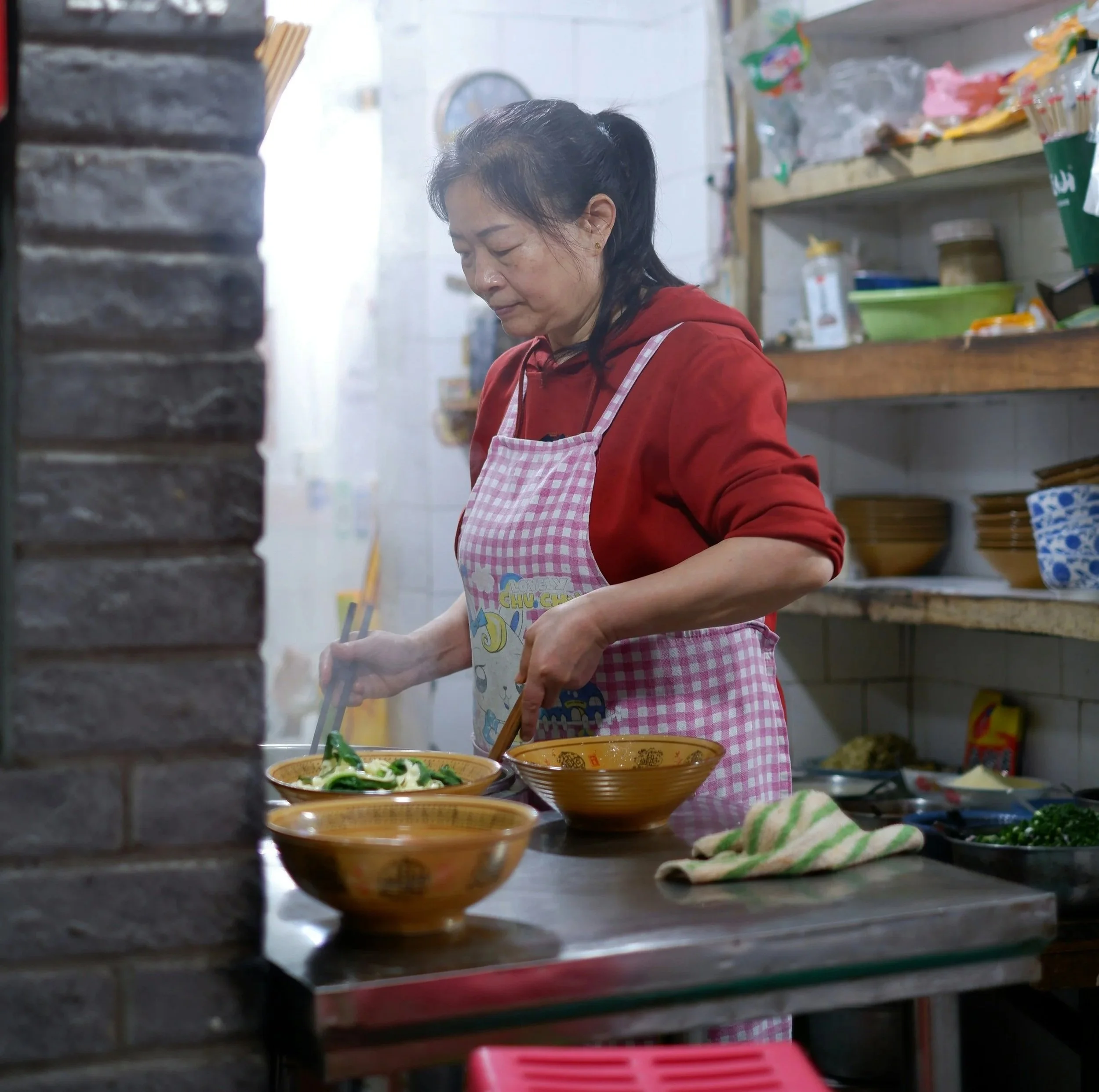
How to Make More of These Meals
You can't plan a perfect meal, but you can set the stage for one.
Leave room in your schedule. Some of the best meals are the ones you didn't book: the café you wandered into because it smelled wonderful, the invitation to sit down and try something.
Eat where locals eat. Ask your hotel, your guide, or the person at a market stall where they would go. Better yet, let me arrange a meal with a host who can tell you the story of the dish.
Order the thing you can't pronounce. When you're curious and open, a meal becomes a conversation.
Take a cooking class or a market tour. Preparing a dish with local hands gives you something no restaurant meal can: you've been part of making it.
Say yes to the long lunch. In many places around the world, the midday meal is the main event. Give it time.
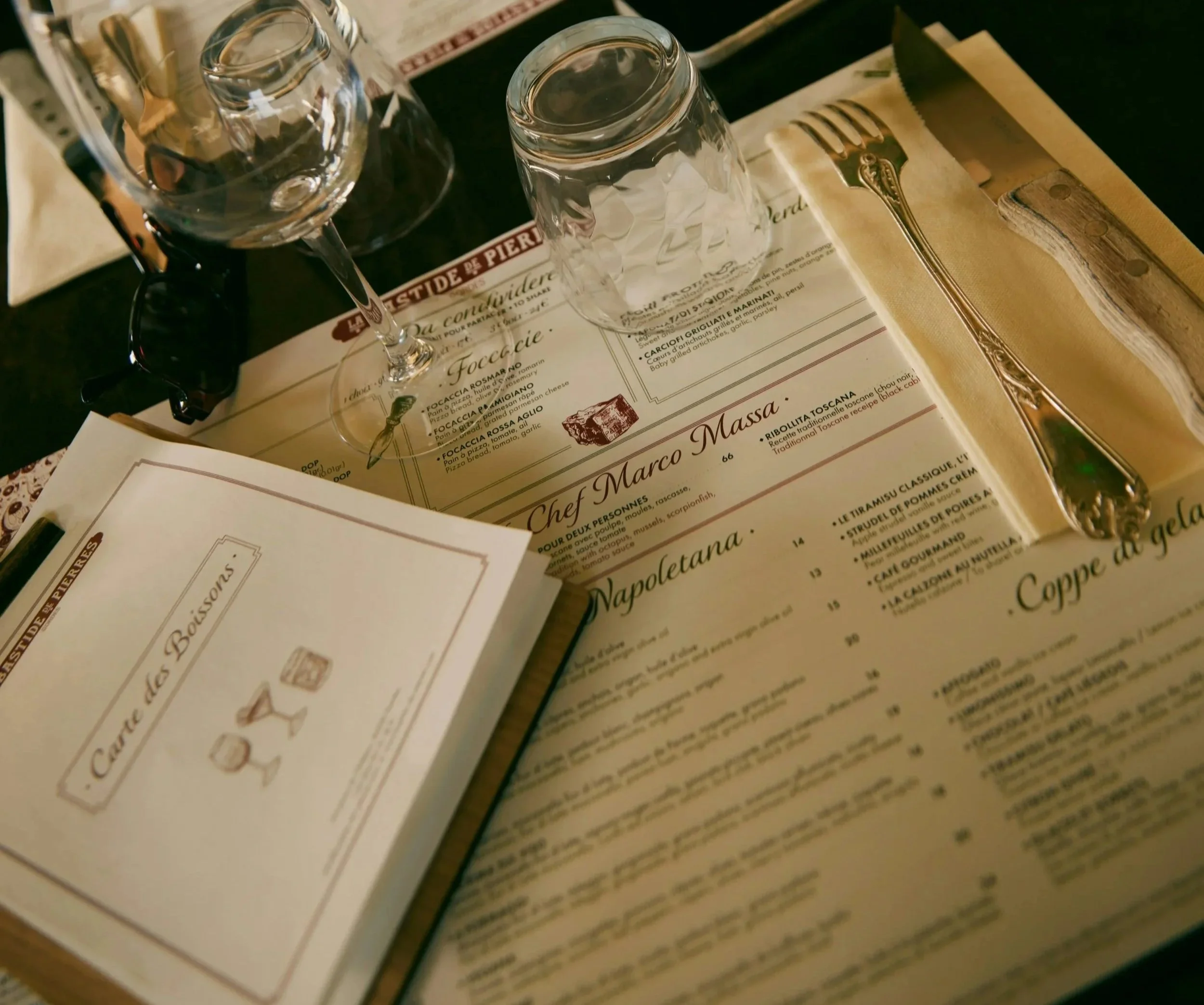
How to Keep the Memory
A great meal can fade if you don't hold onto it. A few simple habits help.
Write it down. Just a line or two: what you ate, where, who you were with, what you noticed. It doesn't need to be polished. Years from now, the details will be a gift.
Photograph the menu as well as the plate. Menus remind you of dish names and places that are hard to recall later.
Bring a flavor home. A jar of local spice, a bottle of olive oil, a bag of tea, or a bottle of something from the region can carry a meal back into your kitchen.
Cook it at home. Try to recreate a dish within a few weeks of coming home, while the taste is still fresh. It won't be quite the same, and that's part of the fun. I wrote more about keeping a trip alive after you return in my post on keeping your travel adventures alive at home.
Share the story. Telling someone about a meal is a way of living it twice.
A Meal Worth Planning a Trip Around
Some of the most memorable trips I design are built around a table: a region known for its food, a cooking class with a family, a long dinner at the end of a day of exploring. If you're someone who remembers a trip by what you ate, tell me. I'll help you build a trip around the meals you'll still be talking about years from now. I generally recommend starting the conversation 9 to 12 months before you'd like to travel, which gives us the best choice of places and dates.
