

Imagine sitting down to a meal in a place you've never been. The dish in front of you looks simple, maybe a bowl of noodles, a plate of rice, a spoonful of something fragrant and red. You take a bite, and then someone who knows the story leans over and tells you where it came from: which ships carried its spices, which families carried its recipes, and which centuries shaped the way it tastes.
From that moment, it isn't just dinner. It's a window.
That's the part of travel I love most. A destination's food holds its history in a way few other things do. Trade routes, migrations, empires, and everyday ingenuity all end up on the plate. If you know how to look, every meal becomes a way to understand where you are. Here are a few places where the story is especially easy to taste.
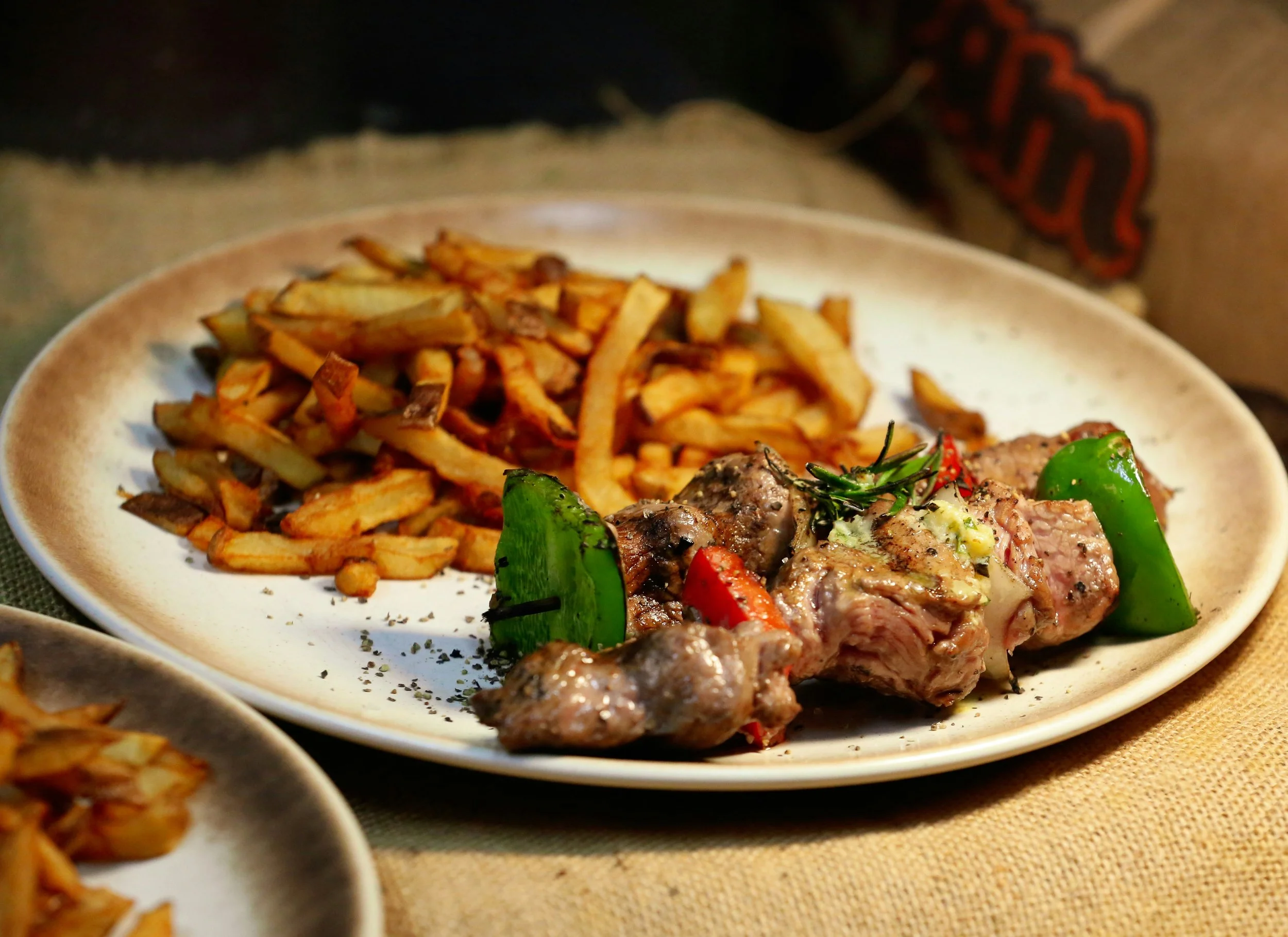
Peru: Where the World Arrived and Stayed
Lima is one of the most exciting food cities in the world, and a big part of the reason is people. After Peru's independence in 1821, Chinese workers began arriving in the late 1850s and 1860s to work on plantations and railroads, and many stayed, building a new cuisine out of local ingredients. That cuisine is called chifa, and it's now woven into everyday Peruvian eating. Lomo saltado, a dish of beef stir-fried in a wok with soy sauce, sits comfortably beside ceviche as a national favorite.
Japanese immigrants followed in the 1890s. Many settled, married Peruvians, and looked for the flavors of home. Over generations, that blending grew into Nikkei cooking, where Japanese technique meets Peruvian ingredients. When you sit down to a Nikkei meal in Lima, you're tasting more than a century of two cultures learning from each other.
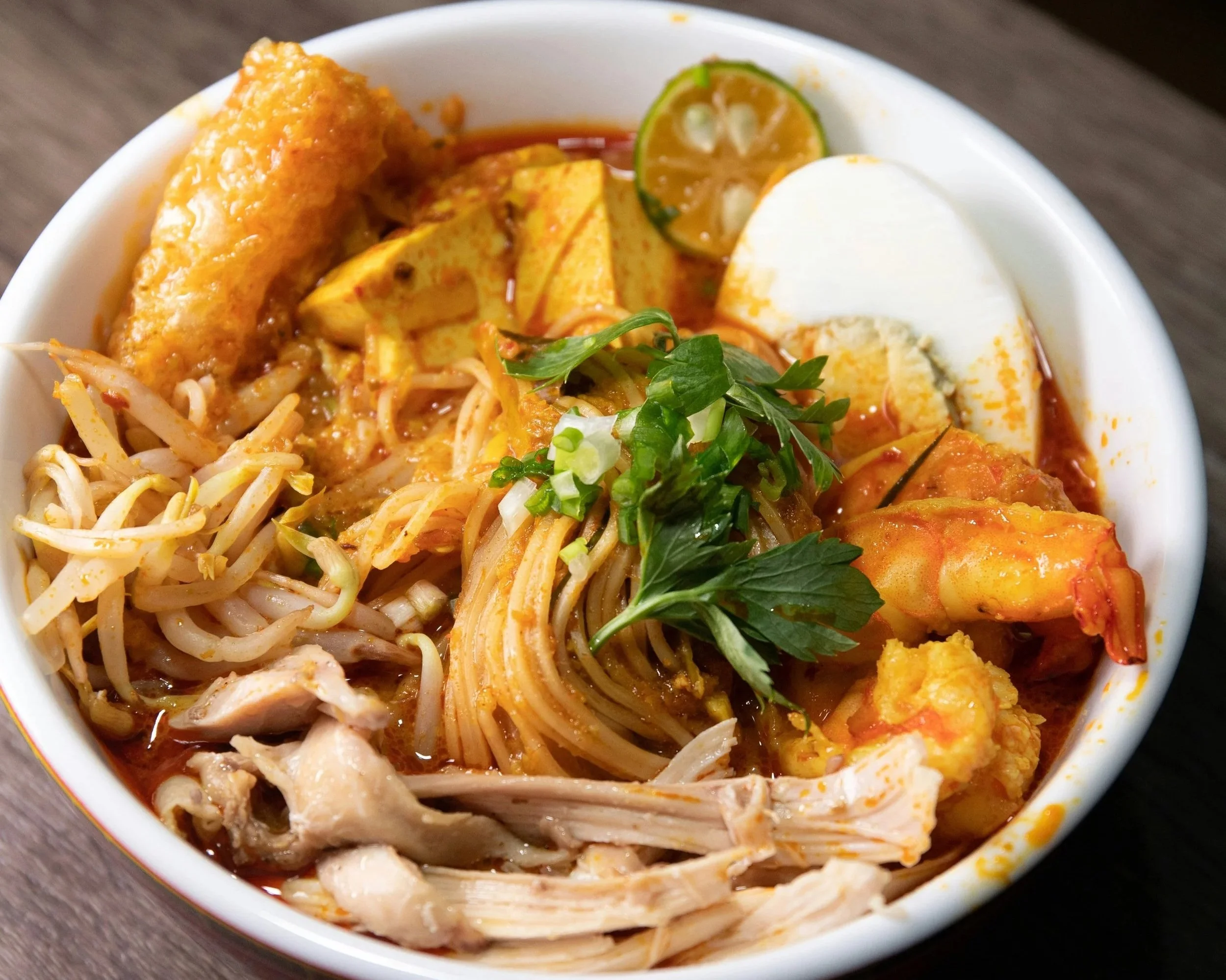
Malaysia and Singapore: A Cuisine Built by Families
In Penang, Malacca, and Singapore, you'll find Peranakan cooking, also known as Nyonya cuisine. The Peranakans are the descendants of early Chinese migrants who intermarried with local Malays, and their food blends Chinese ingredients with Malay and Indonesian spices and techniques. The word Nyonya refers to a Peranakan woman, and the cuisine owes its character to the women who cooked it.
At the heart of it is rempah, a spice paste pounded by hand with a mortar and pestle, with coconut milk, lemongrass, galangal, tamarind, and pandan leaves carrying the flavors from there. Even within the region, the story shifts. In Penang, where Thai influence is stronger, dishes lean tangy and sour, like asam laksa. In Singapore and Malacca, where Indonesian influence is stronger, you'll find richer, coconut-based versions like laksa lemak. A single bowl can tell you which coast you're standing on.
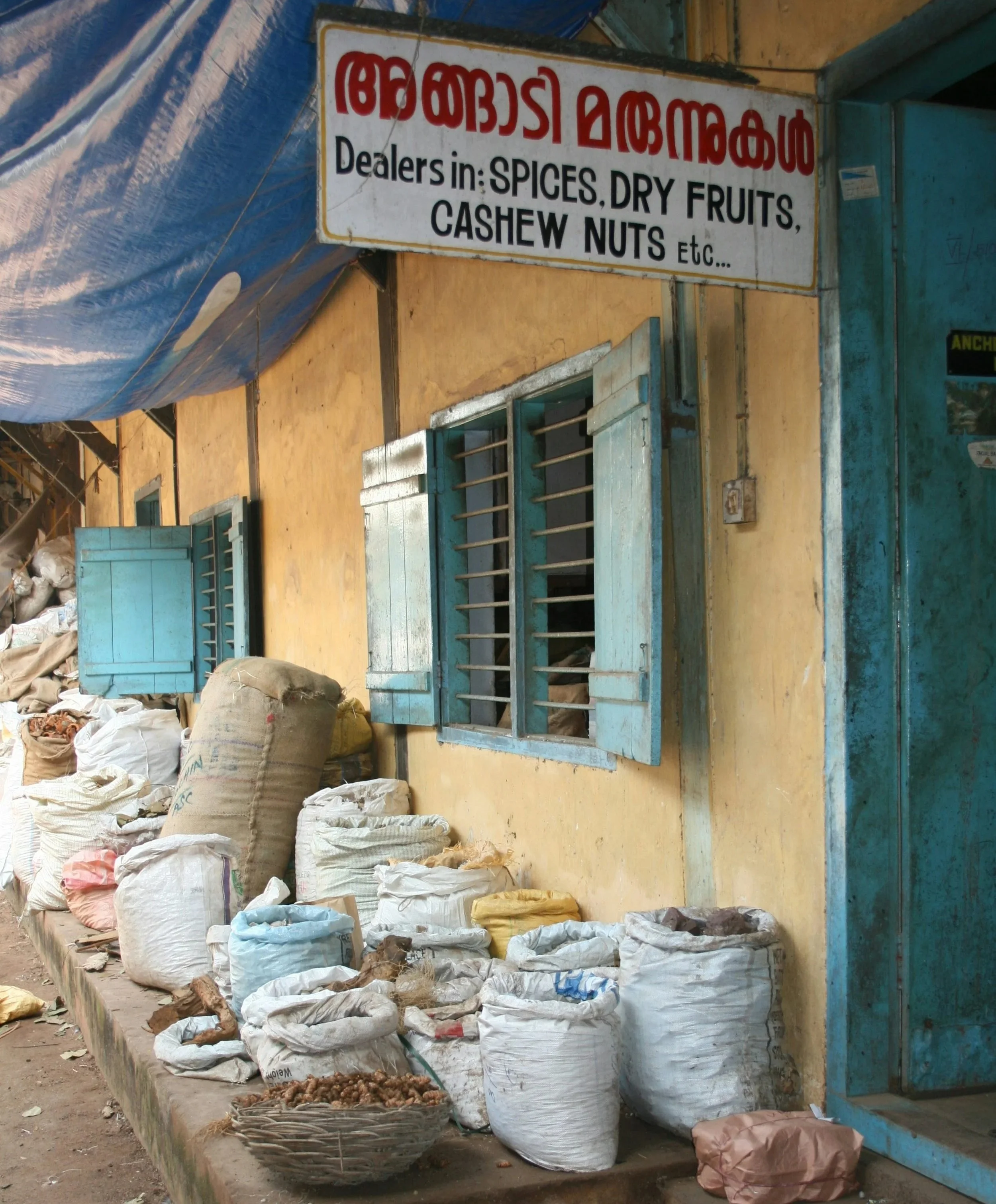
Kerala, India: The Spice Coast
Few places have shaped the world's kitchens the way Kerala has. For centuries, the ancient port of Muziris was the hub of a spice trade that reached far beyond India. Ancient accounts describe Roman ships arriving with gold to trade for pepper, and records show that traders from more than thirty countries came to Kerala for its spices.
Muziris itself eventually disappeared, the result of floods and changes to the Periyar river. But that history is still very much alive. Today the Muziris Heritage Project, supported by UNESCO, brings together 22 museums and landmarks covering some 2,000 years of Kerala's past. Pair a visit with a meal and a cooking class, and you begin to understand why pepper, once traded for gold, still carries such weight here.
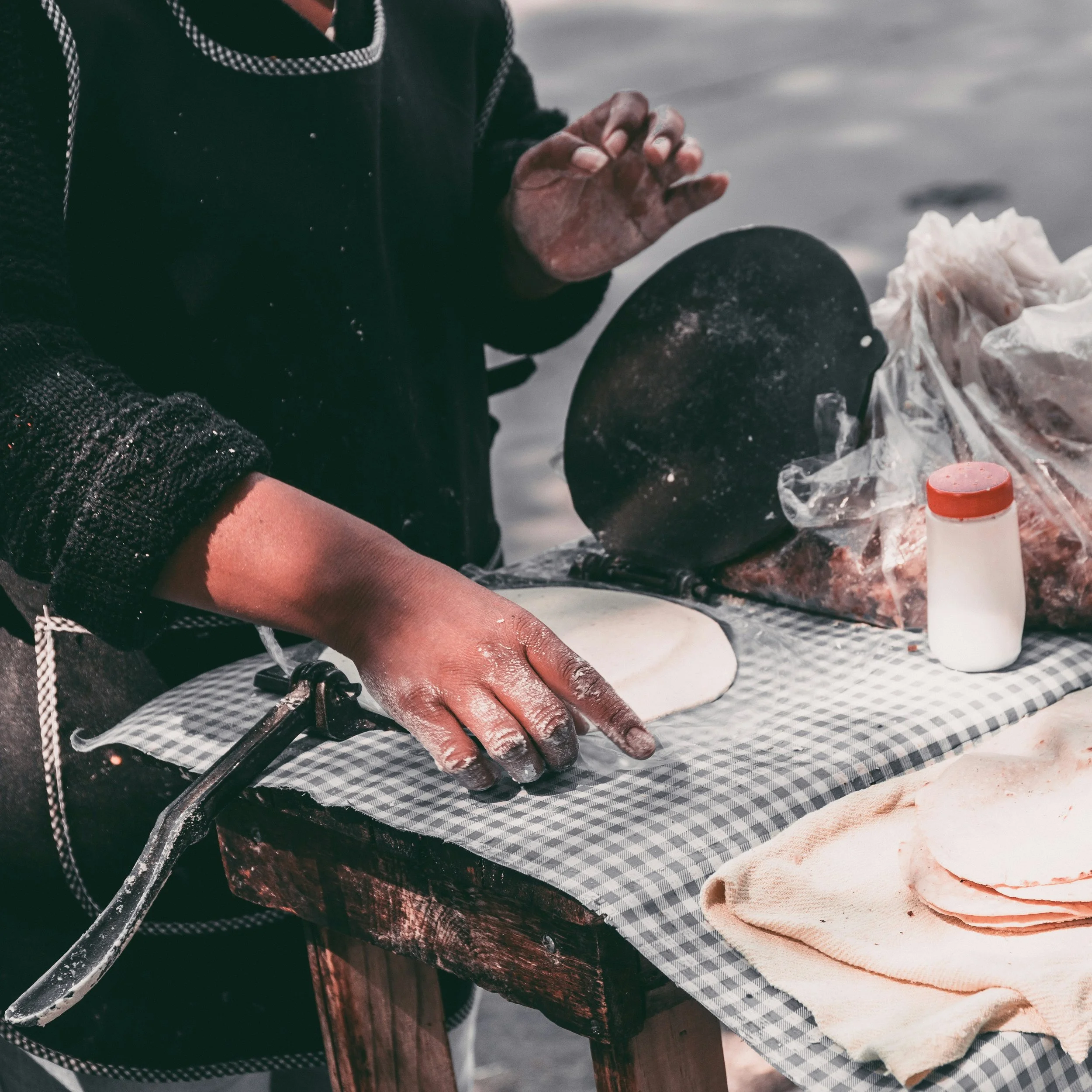
Mexico: A Cuisine Recognized as Living Heritage
In 2010, UNESCO recognized traditional Mexican cuisine as part of humanity's intangible cultural heritage. The recognition describes a system built on corn, beans, and chili, along with native ingredients like tomatoes, squashes, avocados, cacao, and vanilla. It also points to farming methods that are as much a part of the story as the food itself, from rotating milpa fields to the chinampas, man-made farming islets in lake areas.
One of the most remarkable details is nixtamalization, the process of treating corn with lime. It improves the corn's nutritional value, and it's the foundation of the tortillas on tables across Mexico. UNESCO also highlights the role of community, including female cook collectives in Michoacán and across Mexico who carry this knowledge forward. When you sit down to a hand-pressed tortilla, you're eating something that has been passed from person to person for generations.
Istanbul: The Sultan's Kitchen
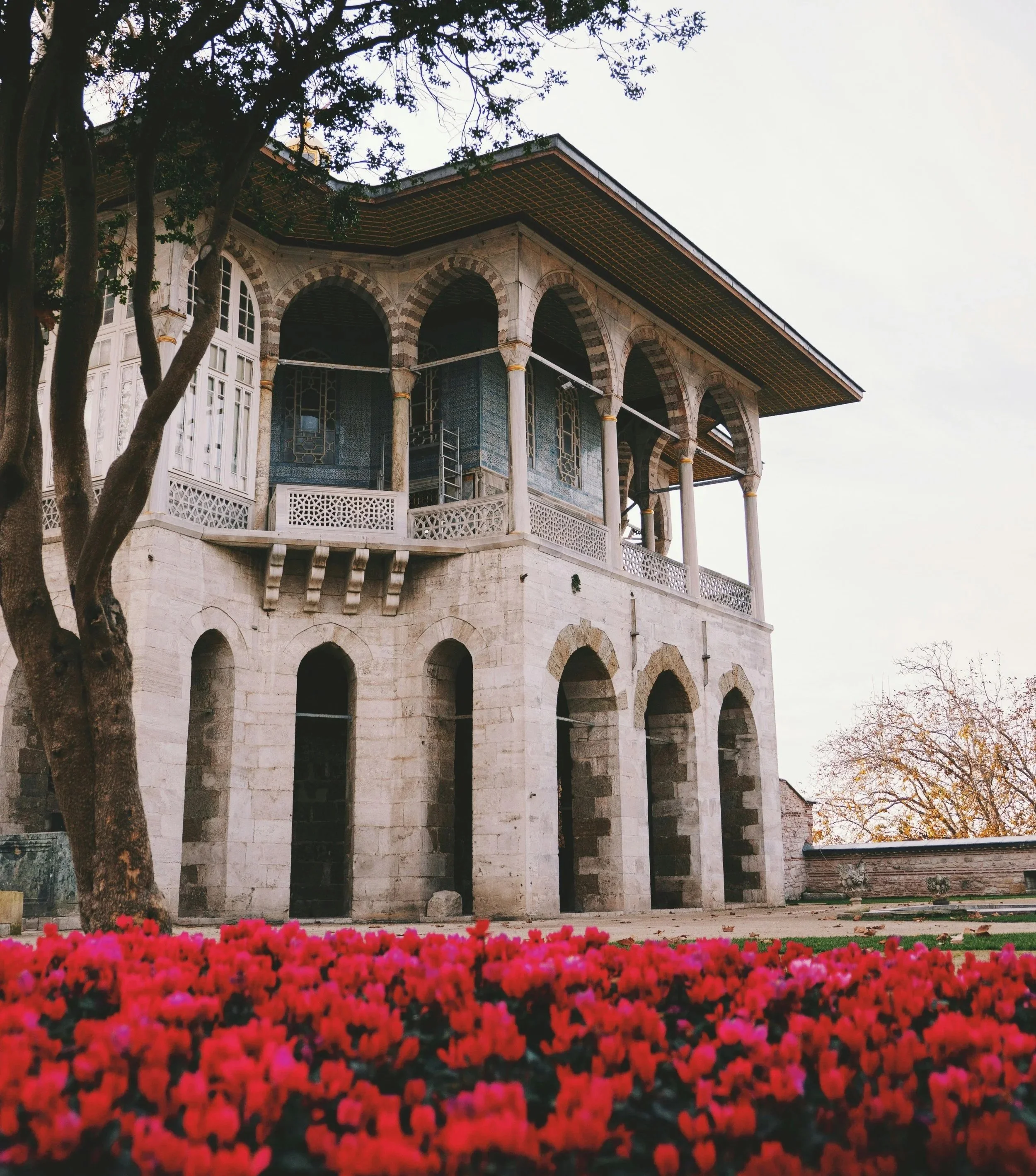
Istanbul's story is told in its palace kitchens. At Topkapı Palace, the main kitchen, Matbah-ı Amire, had ten kitchens and twenty chimneys, and it normally fed some 4,000 to 5,000 people. The cooks worked in specialized teams, including dough cooks, kebab cooks, rice cooks, and dessert makers. The cuisine that grew from it drew on Central Asian, Persian, Arab, Chinese, and Mediterranean traditions, and it became the cuisine of the Ottoman state.
Even something as familiar as the tomato has a history here. Tomatoes didn't reach the Ottoman kitchen until the end of the 18th century. It's a reminder that what feels timeless on a plate is often the result of centuries of change.
How to Taste the Story When You Travel
You don't need to be a food historian to travel this way. A few simple habits go a long way:
Ask questions at the table. Ask the server, your guide, or the person who made your meal where a dish comes from. People are often delighted to tell you.
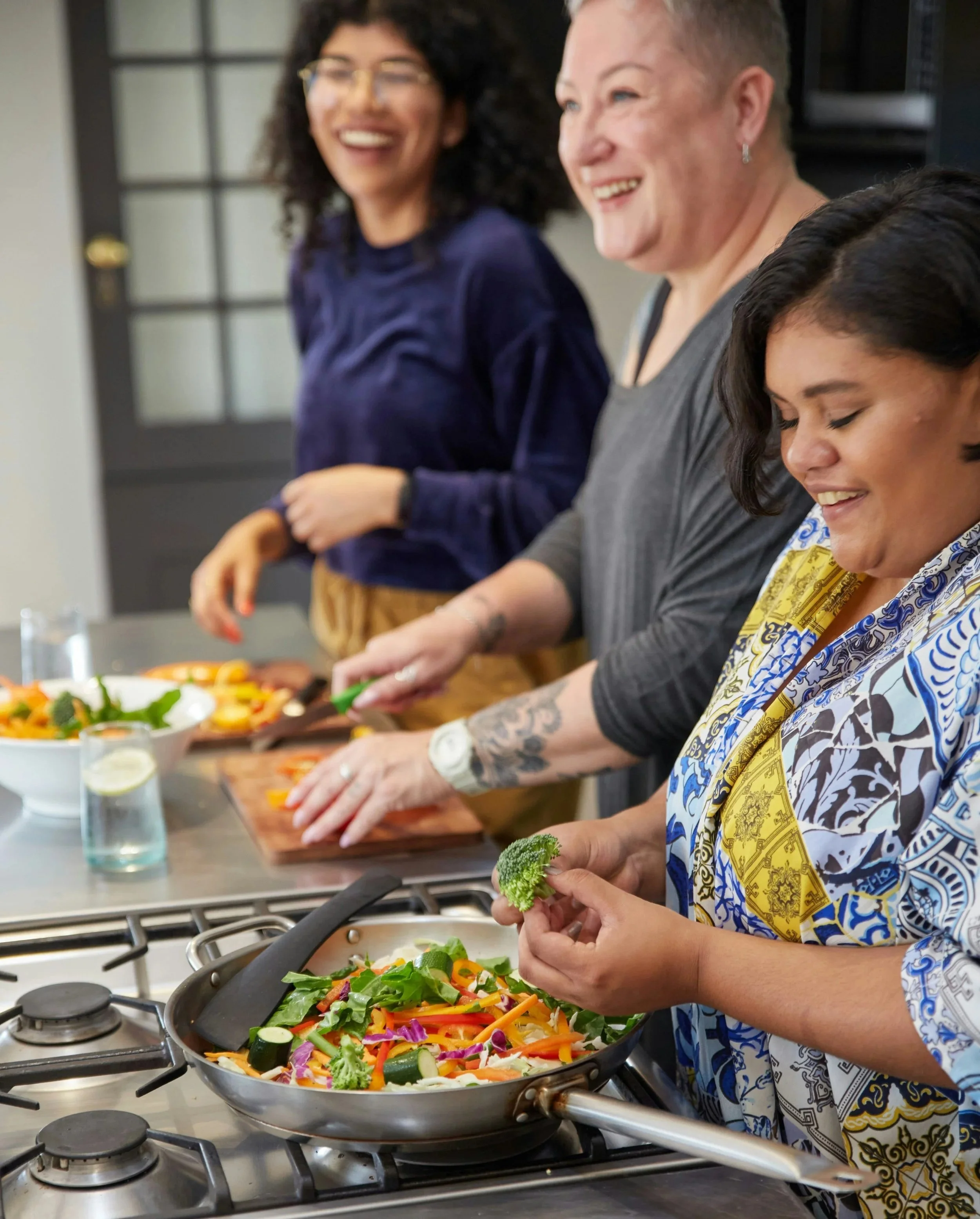
Take a cooking class. Learning to make a regional dish by hand, whether that's grinding a spice paste or pressing a tortilla, teaches you more than reading about it ever could.
Visit a market before you eat. A market shows you what grows nearby, what's in season, and what a place values.
Look for the layers. When a dish combines ingredients from different cultures, there's usually a migration or a trade route behind it.
Go slowly. The best food stories rarely reveal themselves in a hurry. This is one reason I'm such a fan of slow travel, which I wrote about in my post on fewer stops and a deeper trip.
Letting a Meal Do the Telling
When I design a trip, I look for the places where food and history meet: a guide who knows the story behind each dish, a family kitchen, a market, a table where the meal is part of the experience and not an afterthought. Tell me what you love to eat, and I'll help you find where its story begins. I generally recommend starting the conversation 9 to 12 months before you'd like to travel, so we have the best choice of experiences and dates.
