

Picture a morning with nowhere to be. You wake up in a place that's starting to feel familiar, walk to the café where the owner now knows your order, and wander toward the market without a map. There's no checklist, no train to catch, no sense that you should be somewhere else. You're simply here.
That feeling is what I mean by the luxury of time, and it's the heart of slow travel. For years, we measured a great trip by how much it packed in: how many cities, how many landmarks, how many photos. More and more, travelers are discovering that the trips they remember most are the ones with room to breathe.
Where Slow Travel Comes From
The idea grew out of Italy's Slow Food movement, which Carlo Petrini founded in 1986 to champion local, traditional, and sustainable food over fast, uniform alternatives. That spirit spread, eventually shaping slow cities, slow living, and slow travel. The principle is simple: quality over quantity, and savoring an experience instead of rushing through it.
Over the years, people who study travel have described slow travel in similar terms. It means covering less distance and spending more time in each place. It means eating at local restaurants, buying from local markets and producers, learning something new, and staying open to what a place is really like. The details vary, but the heart of it doesn't: fewer, more meaningful experiences, taken at a gentler pace.
What Slow Travel Is (and Isn't)
When I talk about slow travel, some people hear "less." Less to see, less to do, less value for the money. I'd put it differently. Slow travel isn't about doing nothing, and it doesn't mean every day is empty. It means choosing what matters and giving it your full attention.
It also isn't only for people with weeks to spare. A long weekend spent in one neighborhood, with no rush to see the whole city, is slow travel. So is a ten-day trip with two bases instead of five. It's less a matter of how long you're gone than of how you spend the time.
Fewer Bases, Longer Stays
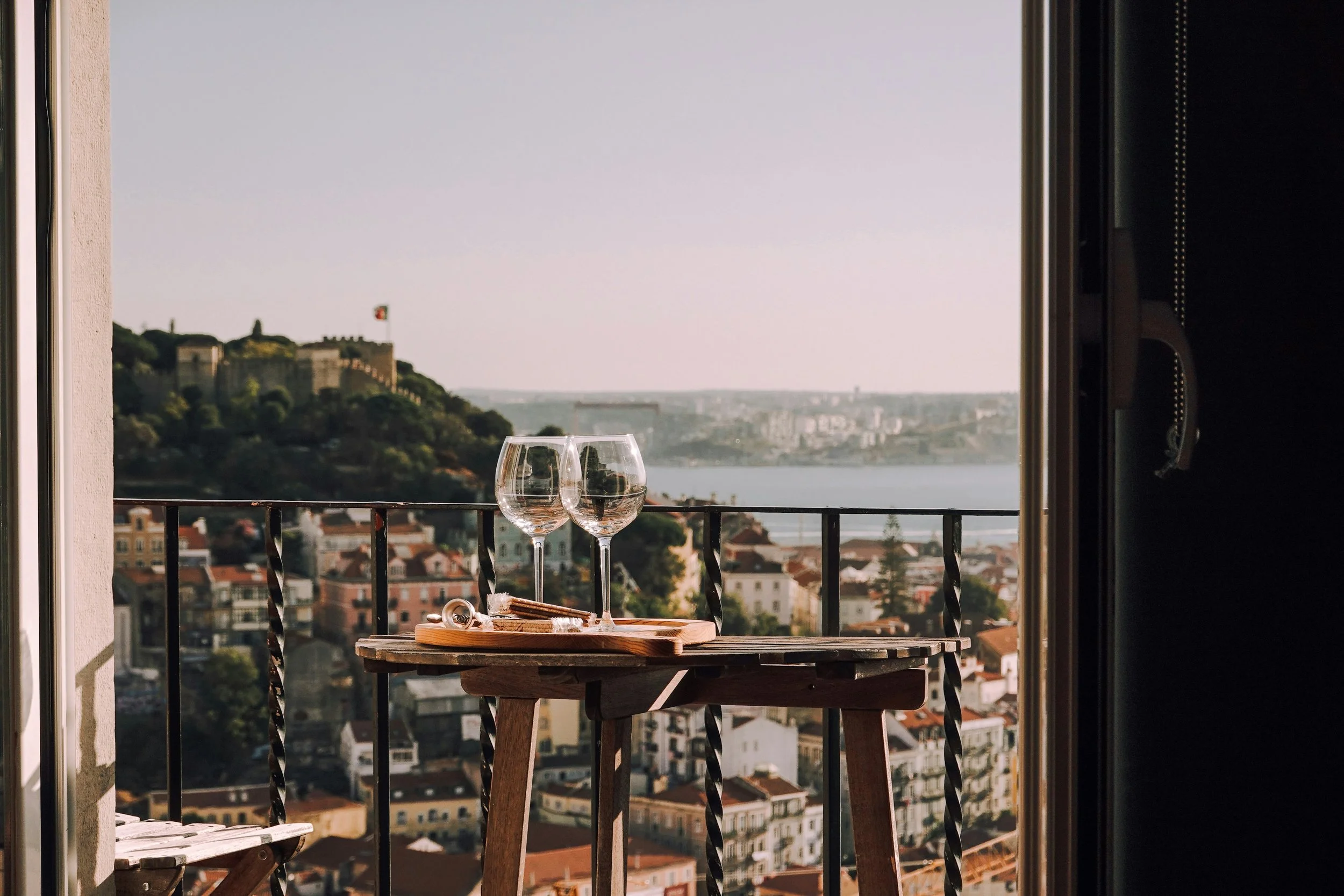
The easiest shift is also the most powerful: choose fewer places and stay longer in each. Instead of five cities in ten days, imagine two or three, with enough time in each to find your rhythm. You start to notice the small things that a fast itinerary hides, like which bakery has a line before sunrise, when the light turns golden on a particular street, and which neighborhood hums on a Sunday afternoon.
A longer stay also changes how you're treated. When you return to the same café or the same market stall, you stop being a passing tourist. You become a familiar face, and that's often where real connection with a place begins.
It's also kinder to your energy. Every time you pack, check out, and transfer, you spend part of your trip on logistics. Cut the number of moves in half, and you get those hours back for the things you came for.
The Journey Is Part of the Trip
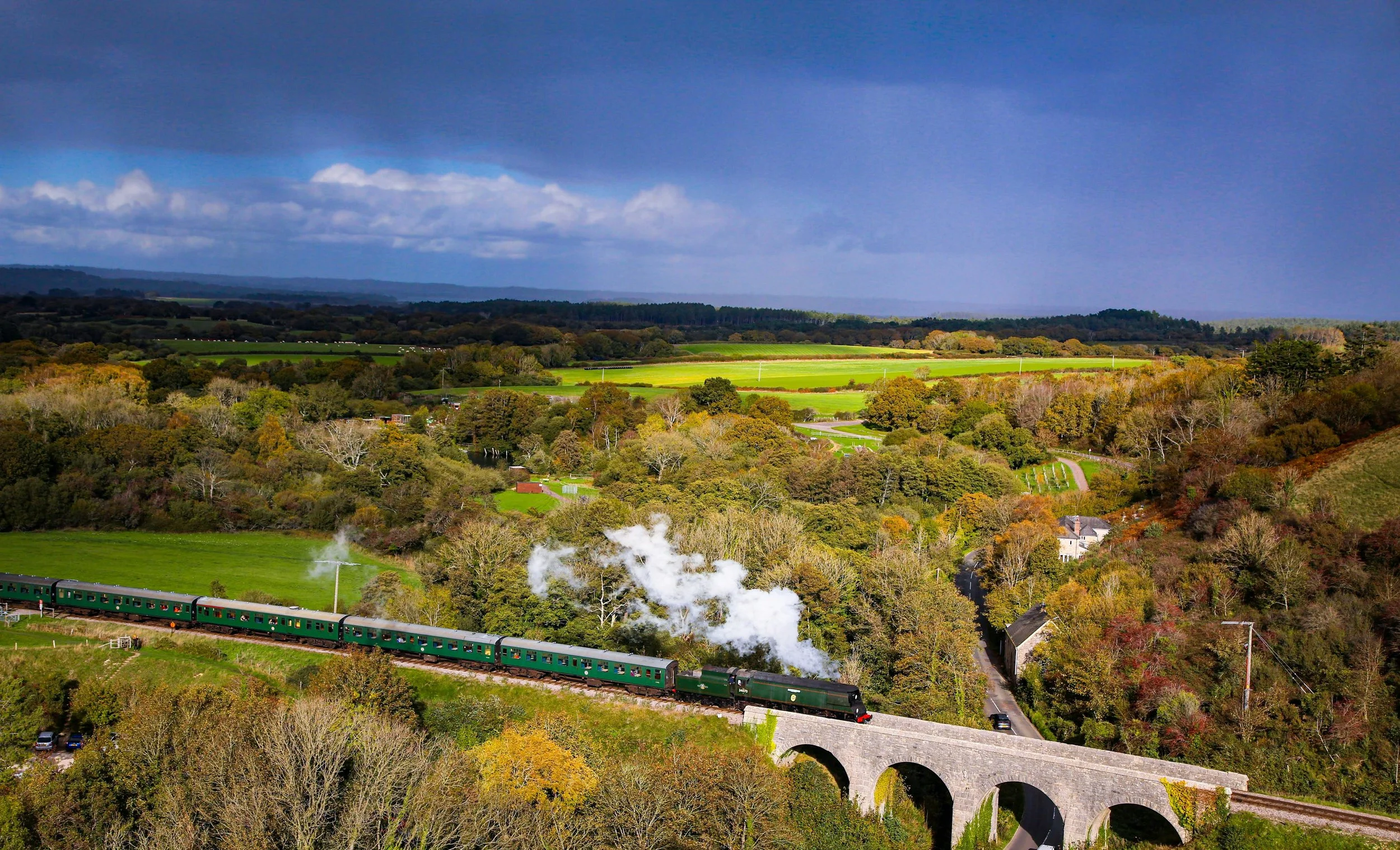
Slow travel also invites you to rethink how you get from one place to another. A scenic train ride, a walk, or a bicycle tour turns the in-between into part of the experience. Scotland's Royal Scotsman train, which carries no more than 40 guests, is one example of the kind of unhurried, atmospheric journey that makes the travel itself feel like a destination. In Sri Lanka, the train ride from Colombo to Kandy is another, carrying you through the country at a pace that lets you watch it go by.
Moving at a gentler pace lets you see the details you'd otherwise speed past, and it often means more time with the people who live there. It's also a lighter way to travel: fewer flights and shorter distances mean a smaller footprint, which matters to many of the travelers I work with.
Eat, Shop, and Learn Like You Live There
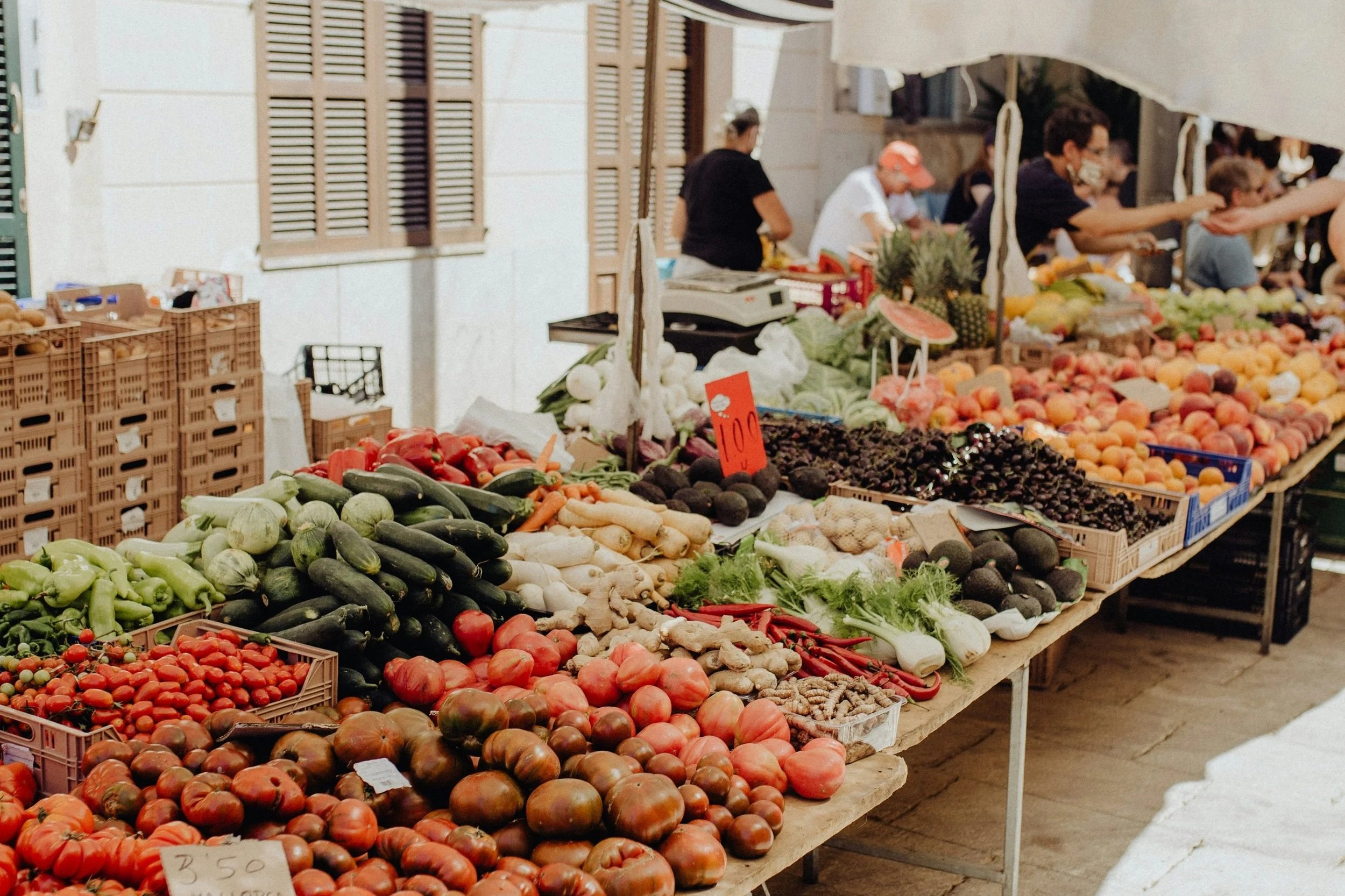
Because slow travel is rooted in food, it naturally leads you to local tables and markets. Eat where neighbors eat. Shop from the people who make or grow what they sell. Take a cooking class, learn a craft, or spend a morning with an artisan. These are the moments that connect you to a place beyond its sights, and they're at the center of the cultural immersion I design for clients.
Even small efforts count. Learning a few phrases in the local language, as I wrote about in my post on learning a few local phrases, changes the tone of a conversation. A greeting, a thank-you, or a question about what's good today can open a door that a menu in English never would.
What It Can Look Like
Slow travel looks different in every destination, and that's part of the point. A few examples of how it can take shape:
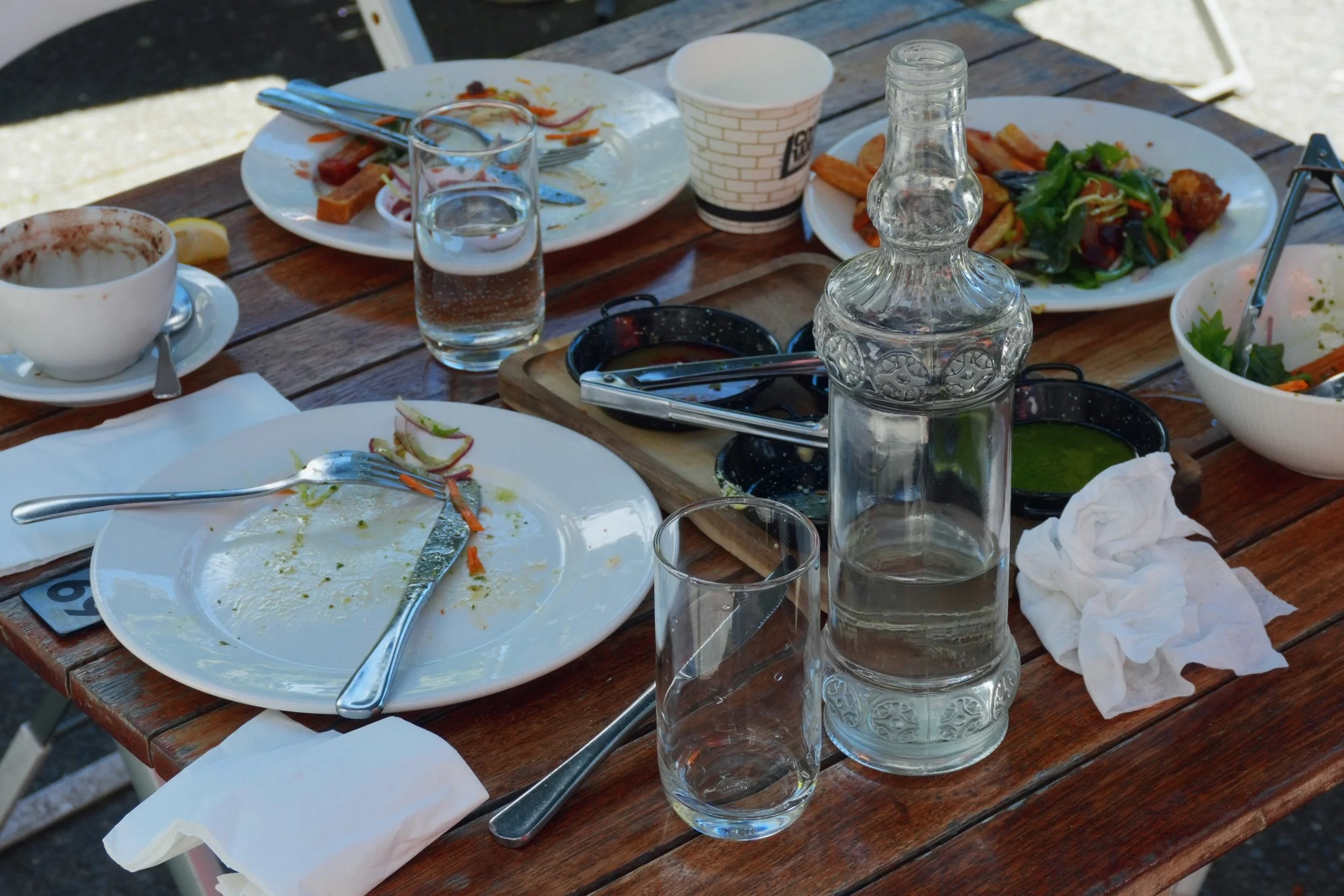
In Italy, where the Slow Food movement began, it might mean basing yourself in one region and letting meals set the pace of the day: a long lunch, a market visit, a wine tasting with someone who knows the family that made it. In New Zealand, it might mean spending time in Hawke's Bay, a region known for its food and wine, rather than racing across the country. In Luang Prabang, Laos, it might mean rising early to quietly watch the morning alms-giving procession of monks, from a respectful distance, as a thoughtful guest. And in Scotland, it might mean a few days aboard a small-capacity train, with the landscape unfolding outside your window.
None of these are about ticking off sights. They're about settling into a place long enough to feel its rhythm.
Slow Is a Kind of Luxury
There's a reason slow travel has become such a sought-after style of luxury. For many travelers, the greatest luxury isn't another stamp in a passport. It's coming home rested instead of drained, with time for sleep, quiet, and conversation. Many high-end travelers are choosing fewer destinations and longer stays, in search of rest, privacy, a break from screens, and a more authentic connection with the places they visit.
It often means private, low-key settings: a countryside villa, a coastal retreat, a small property where the staff learn your name. It means schedules with room for spontaneity, and days that unfold at your own pace.
A Slow Day, Imagined
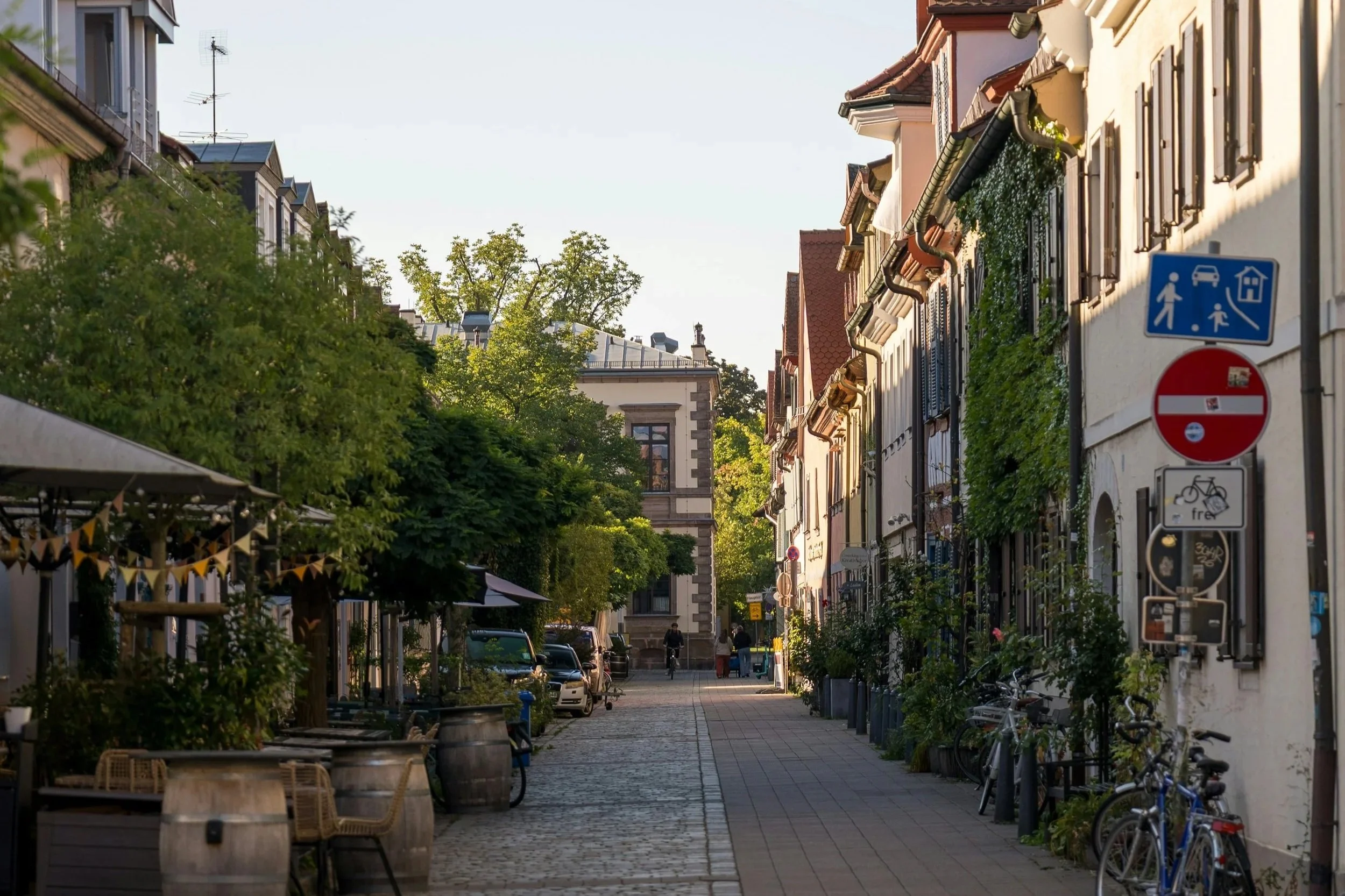
If you're wondering what a slow day might actually feel like, imagine this. You wake without an alarm and have coffee on a balcony or in a courtyard. Mid-morning, you walk to a market and pick up whatever looks best: bread, cheese, fruit, something you can't name yet. You spend an hour with a local guide or an artisan, learning how something is made. Lunch runs long. The afternoon is yours, for a nap, a book, or a wander down a street you haven't tried. Dinner is nearby, unhurried, and you're back in your room before you're tired of the day.
Nothing in that day is extravagant, and yet it's the kind of day many people have been missing from their travels.
How to Plan a Slower Trip
If this appeals to you, a few ideas help. Pick fewer places than you think you want, then give each more time than feels necessary. Build in open mornings with nothing booked. Choose a home base and take day trips from it, rather than changing hotels every night. Mix one or two anchor experiences, like a private guide or a cooking class, with plenty of free time to wander. And leave room for the unexpected, because that's often where the best stories come from.
A few other habits help, too. Travel by train when you can. Walk more than you ride. Eat at least one meal a day somewhere you didn't plan. Put your phone away for a few hours at a time. And resist the urge to fill every gap, because the gaps are where the trip becomes yours.
Letting Someone Else Hold the Logistics
Slowing down doesn't mean planning less. It means planning with more intention, so the days feel effortless. That's where I come in. Tell me how you want to feel on your trip, and I'll build an itinerary with fewer transitions, the right places to stay, and the experiences worth lingering over. For the best choice of places and dates, I generally recommend starting the conversation 9 to 12 months before you want to travel. Let's design a trip with room to breathe.
