
Hot Springs and Thermal Baths Around the World: Where Soaking Becomes a Way to Know a Place
There's a moment, somewhere in the first few minutes of a good soak, when your shoulders drop and the world gets quiet. The water is warm, the air is cool against your face, and you realize you haven't thought about your phone in an hour. It's one of the simplest and most restorative things travel can offer.
But what I love most about thermal bathing is that it's rarely just about the water. Almost everywhere people have been soaking, it's tied to something deeper: a way of gathering, a ritual passed down for generations, a habit that tells you how a place thinks about rest, community, and the body. If you want to understand a destination, one of the best things you can do is get in the water the way the locals do. Here are four places where soaking is a window into the culture.
Iceland: Where the Pool Is the Town Square
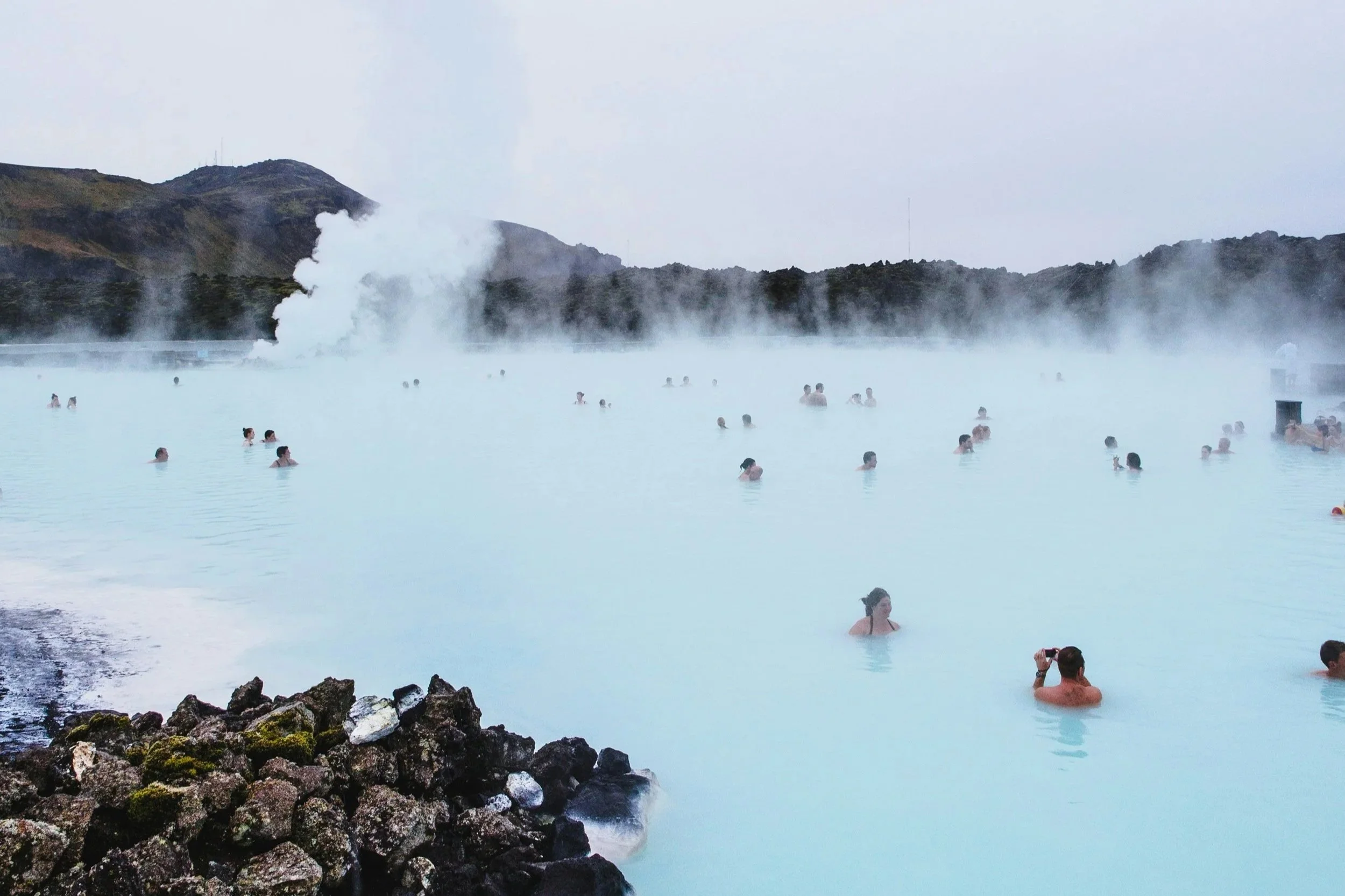
In Iceland, geothermal heat isn't a luxury. It's part of everyday life, and more than 90 percent of the country's hot water is heated this way. That's why public pools are everywhere (there are more than 160 across the country), and why they work as gathering places as much as places to swim. Locals come to exercise, but they also come to talk about the weather, the news, and everything in between.
The unwritten rule that surprises visitors most is the shower. Before you get in, you wash thoroughly without your swimsuit, and it's expected everywhere. It's an easy way to show respect for the culture and to feel, even briefly, like part of the community.
Beyond the neighborhood pools, there's a whole range to explore. The Blue Lagoon, with its milky blue water, is actually man-made, formed from the runoff of a nearby geothermal power plant, and its silica-rich water has made it one of Iceland's best-known stops. For something more rustic, the Secret Lagoon in Flúðir dates to 1891 and is considered the country's oldest pool, and the hot spring river at Reykjadalur rewards you with a walk of about 45 to 60 minutes before you slip into the water.
Japan: The Quiet Ritual of the Onsen
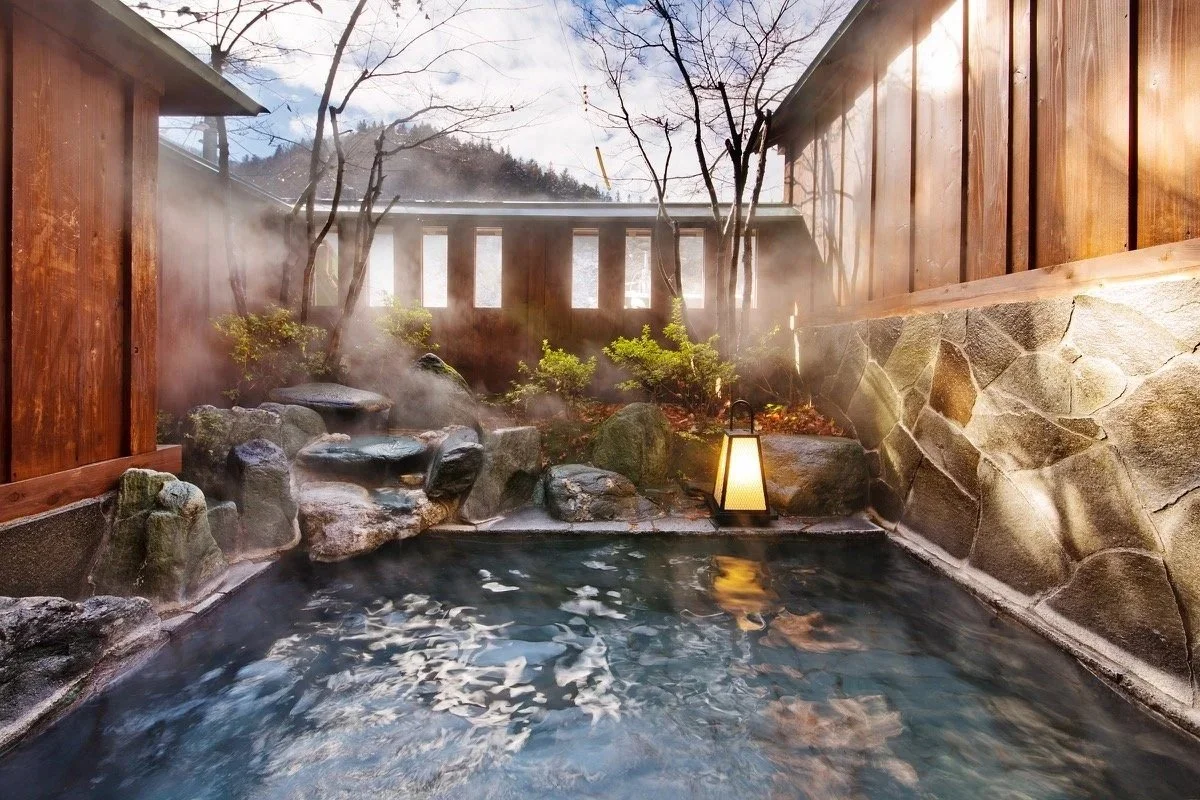
Japan has about 25,000 hot spring sources, and the culture of bathing in them reaches back some 1,300 years. An onsen stay is a ritual, and it rewards a little preparation. You wash and rinse at a washing station before you enter the bath. Swimsuits are not worn, hair stays out of the water, and the small towel you carry never goes into the bath itself. Most guests stay in a ryokan, a traditional inn, where you move between your room and the bath in a provided yukata and slippers, and the pace of the whole stay slows to match.
One thing to know before you go: some onsen restrict tattoos, though policies have been relaxing, and certain onsen towns, like Kinosaki and Beppu, are known for being welcoming. A good advisor can help you choose places that fit your plans, and it's the kind of detail I check for my clients in advance.
Budapest: Centuries of Soaking
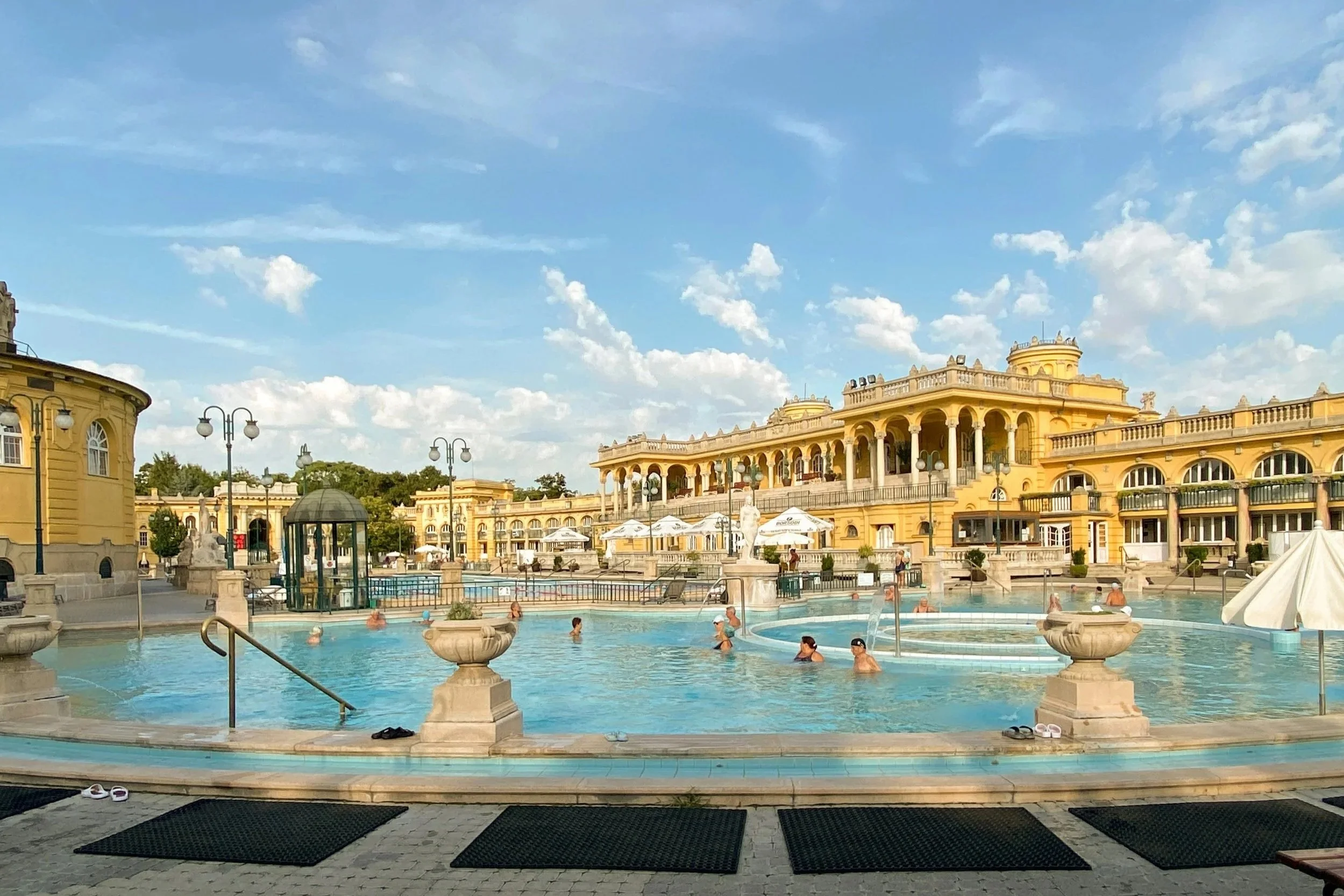
Budapest sits on a network of thermal springs, and its baths tell the story of the city itself. Rudas Baths dates to 1571 and 1572, when the Ottomans ruled Buda, and it still carries the bones of a traditional hammam, with a domed hall and an octagonal pool. It's a rare chance to bathe inside a piece of history.
Széchenyi, which opened in 1913, is a grand Neo-Baroque complex with 18 pools, and part of its charm is the daily life that unfolds around it, including the men who gather to play chess in the steaming water. Soaking in Budapest isn't just a spa day. It's a way to spend time among the people who live there.
Chile: Soaking in the Forest
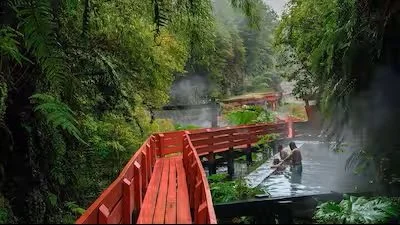
In southern Chile's Lake District, Termas Geométricas sits inside Villarrica National Park, tucked into native forest beside a mountain stream. Designed by architect Germán del Sol and completed in 2009, the complex links its pools with a network of red wooden walkways, which gives it a striking, almost sculptural look against the green. It's built to be part of the forest, not to compete with it.
There's something wonderfully grounding about stepping from a hot pool into cool mountain air, surrounded by trees. It's soaking at its most elemental, and it's an experience you remember long after you're home. The final stretch of the journey is unpaved, so it helps to plan your transport in advance, and entry is by timed slot, so it pays to book ahead.
A Little Closer to Home
You don't need a passport to get the same feeling. In the United States, Castle Hot Springs in Arizona has welcomed guests since 1896 and offers a cascade of natural pools, from a gentle 85 degrees to a deep 106. And Dunton Hot Springs in Colorado, a restored 1885 mining camp, invites you to soak among old log cabins. I wrote more about both in my post on the best all-inclusive resorts in the U.S.
A Few Things to Keep in Mind
Hot water is wonderful and also powerful. If you have a heart condition, blood pressure concerns, or any health question, check with your doctor before you plan a long soak. Drink water, take breaks, and listen to your body. And wherever you go, follow the local customs. They're part of what makes the experience special.
Planning Your Soak
The right thermal journey depends on what you're hoping to feel: a quiet ritual, a lively community, a moment of history, or a wild escape into nature. Tell me which sounds most like you, and I'll help build a trip around it, with the right stays, the right timing, and the cultural details handled so you can simply relax. I generally recommend starting the conversation 9 to 12 months before you'd like to travel, which gives us the best choice of places and dates.
