

The World’s Most Soul‑Stirring Festivals — and What They Teach Us About Culture
Some festivals dazzle you with color. Others move you with music. But the most soul‑stirring ones — the ones that stay with you long after you’ve unpacked your suitcase — do something deeper. They reveal the heart of a place. They show you what a community cherishes, how it remembers its past, and the ways it chooses to celebrate joy, resilience, and belonging.
These are the festivals that invite you not just to watch, but to feel. To participate. To understand.
Here are a few of the world’s most meaningful celebrations — and the cultural lessons they quietly teach us.
Holi — India
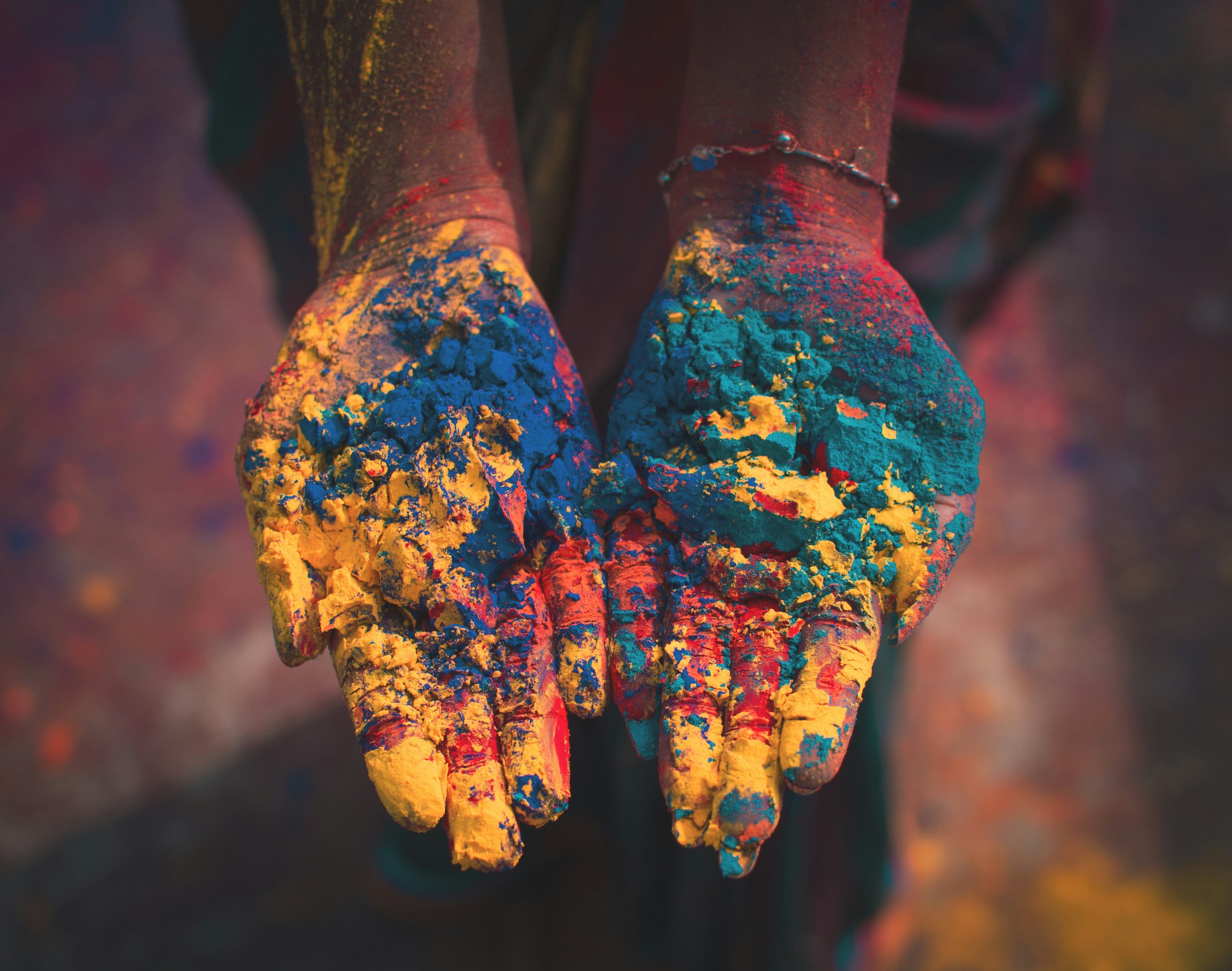
Holi isn’t just a burst of color; it’s a burst of humanity. As pinks, yellows, and blues swirl through the air, strangers become friends, and the boundaries that usually separate people seem to dissolve. Children chase each other with water balloons, elders bless the younger generation, and families gather to share sweets and stories.
What it teaches us:
Holi reminds us that joy is a powerful connector. It teaches us that renewal isn’t just seasonal — it’s emotional. And it shows us that sometimes the most meaningful moments come from letting go, laughing freely, and embracing the beautiful messiness of life.
Gion Matsuri — Kyoto, Japan
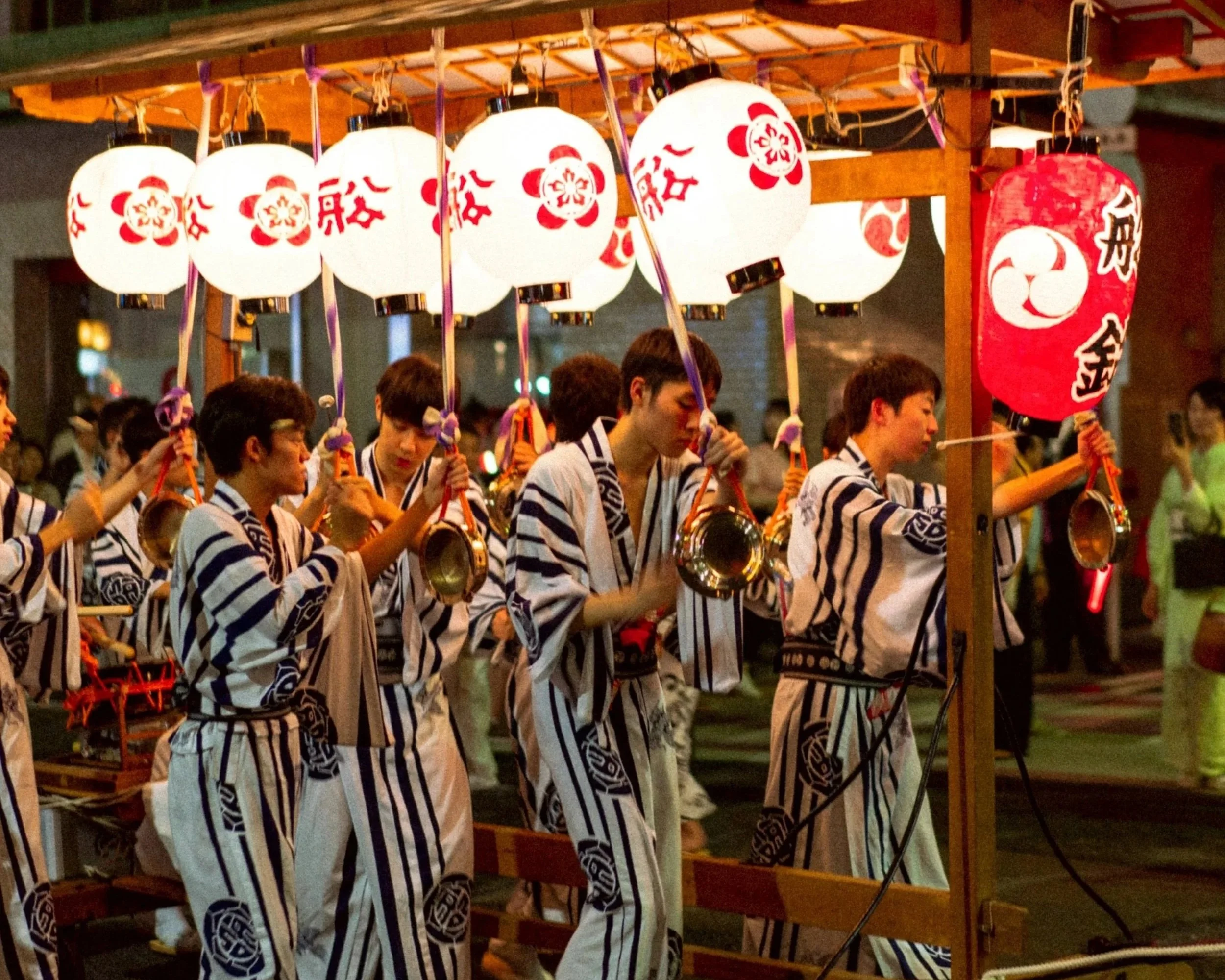
In the summer heat of Kyoto, the streets transform into a living museum of tradition. Towering wooden floats — built without a single nail — glide through the city, guided by teams who have passed down their roles for generations. Lanterns glow softly at dusk, and families gather in yukata to enjoy street food and music.
What it teaches us:
Gion Matsuri is a lesson in continuity. It shows how culture is preserved not through grand gestures, but through the quiet, steady passing of knowledge from one generation to the next. It’s a reminder that heritage is something you live, not something you simply observe.
Inti Raymi — Cusco, Peru
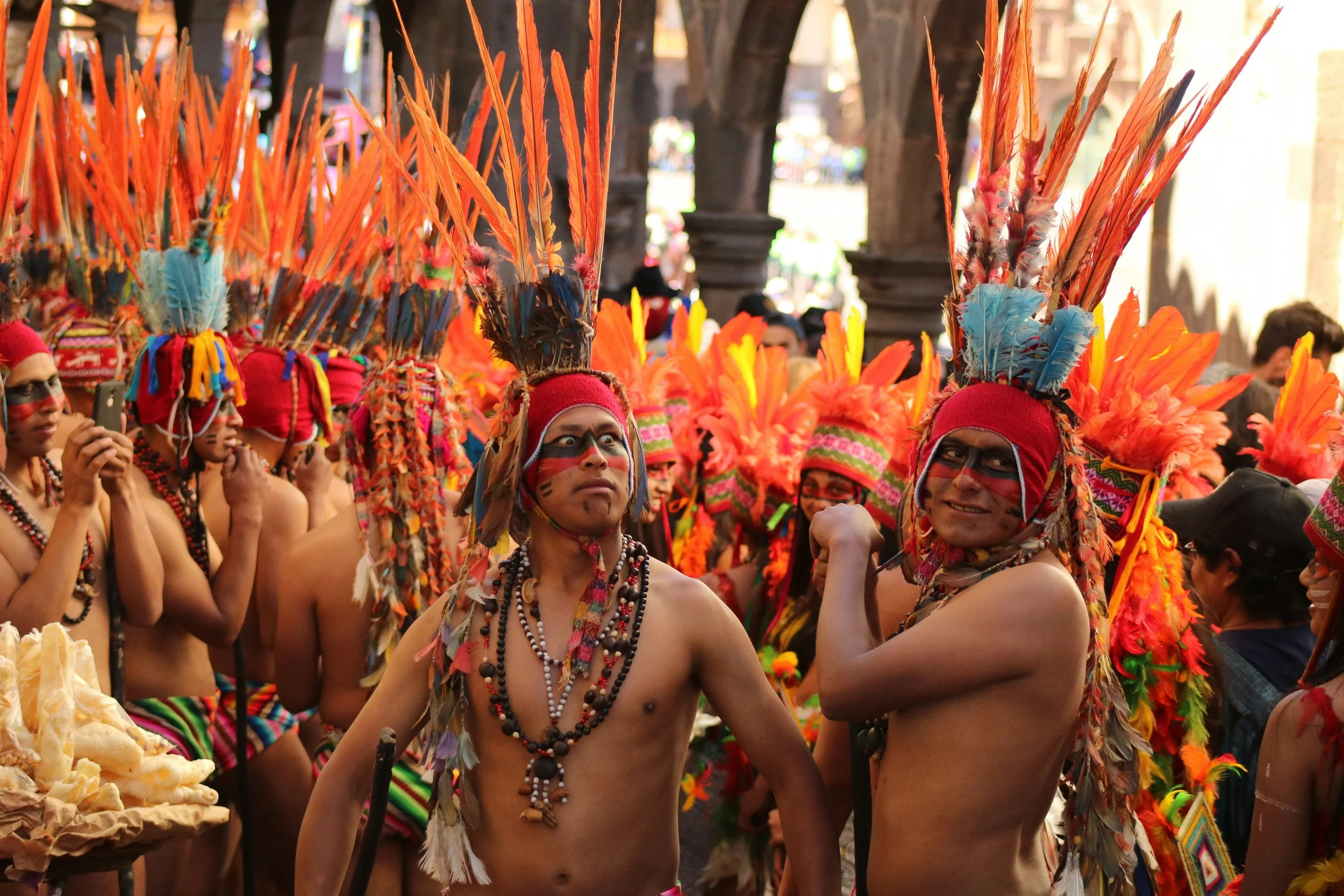
High in the Andes, the ancient Incan festival of Inti Raymi honors the sun — the life‑giver, the guide, the center of the universe. Dancers in vibrant costumes reenact sacred rituals, musicians fill the air with rhythmic drums and flutes, and the entire city becomes a stage for storytelling.
What it teaches us:
Inti Raymi shows us the power of honoring origins. It’s a celebration of identity, resilience, and the deep connection between people and the natural world. It reminds us that culture isn’t static — it’s a living dialogue between past and present.
Up Helly Aa — Shetland Islands, Scotland
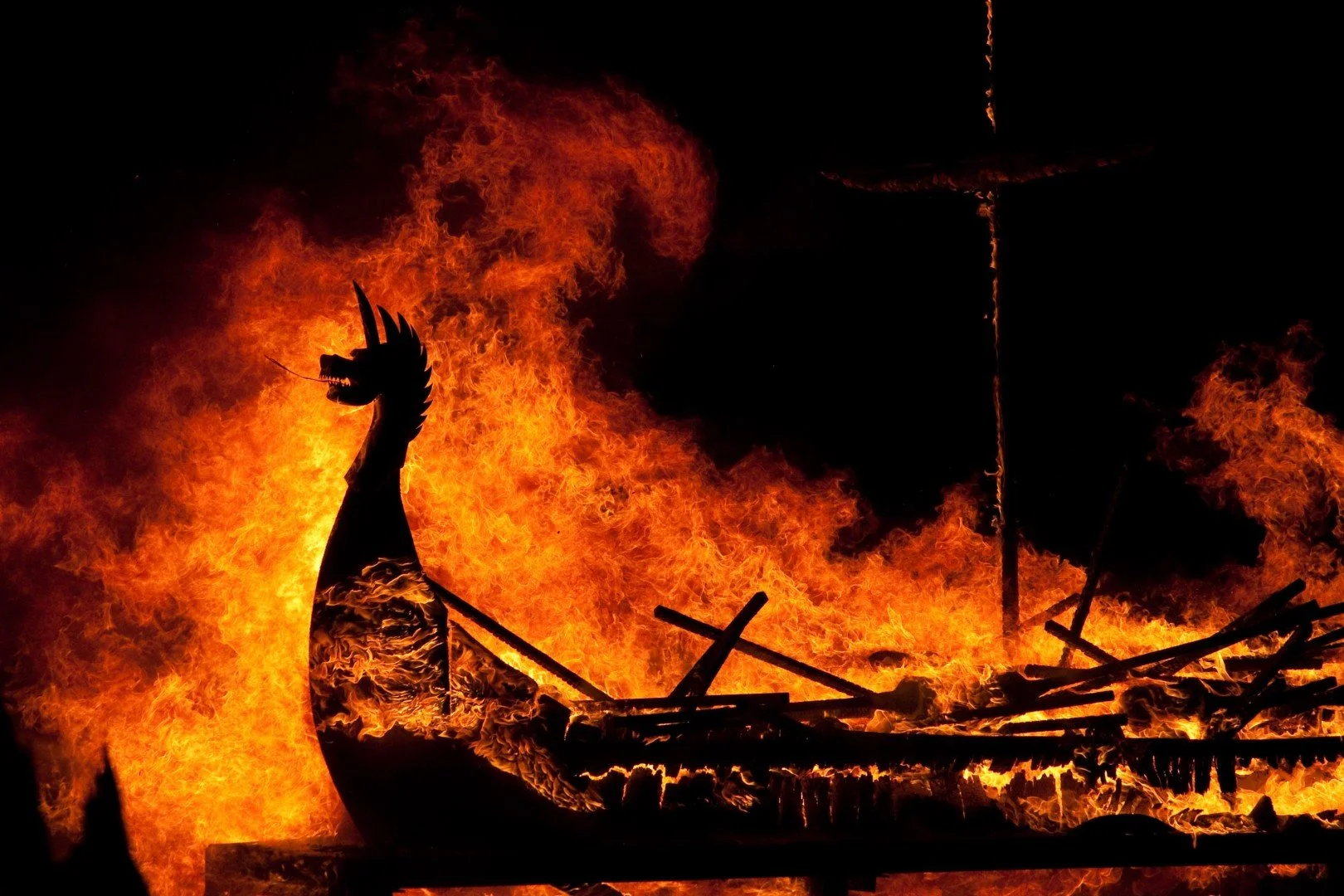
On a cold January night, the Shetland Islands ignite with fire. Men and women dressed as Vikings march through the streets carrying torches, culminating in the dramatic burning of a handcrafted longship. It’s bold, theatrical, and deeply rooted in the islands’ Norse heritage.
What it teaches us:
Up Helly Aa is a celebration of community spirit. It shows how storytelling shapes identity and how shared rituals — even the fiery, dramatic ones — bring people together. It’s a reminder that culture can be both fierce and joyful, ancient and evolving.
Diwali — India & Beyond
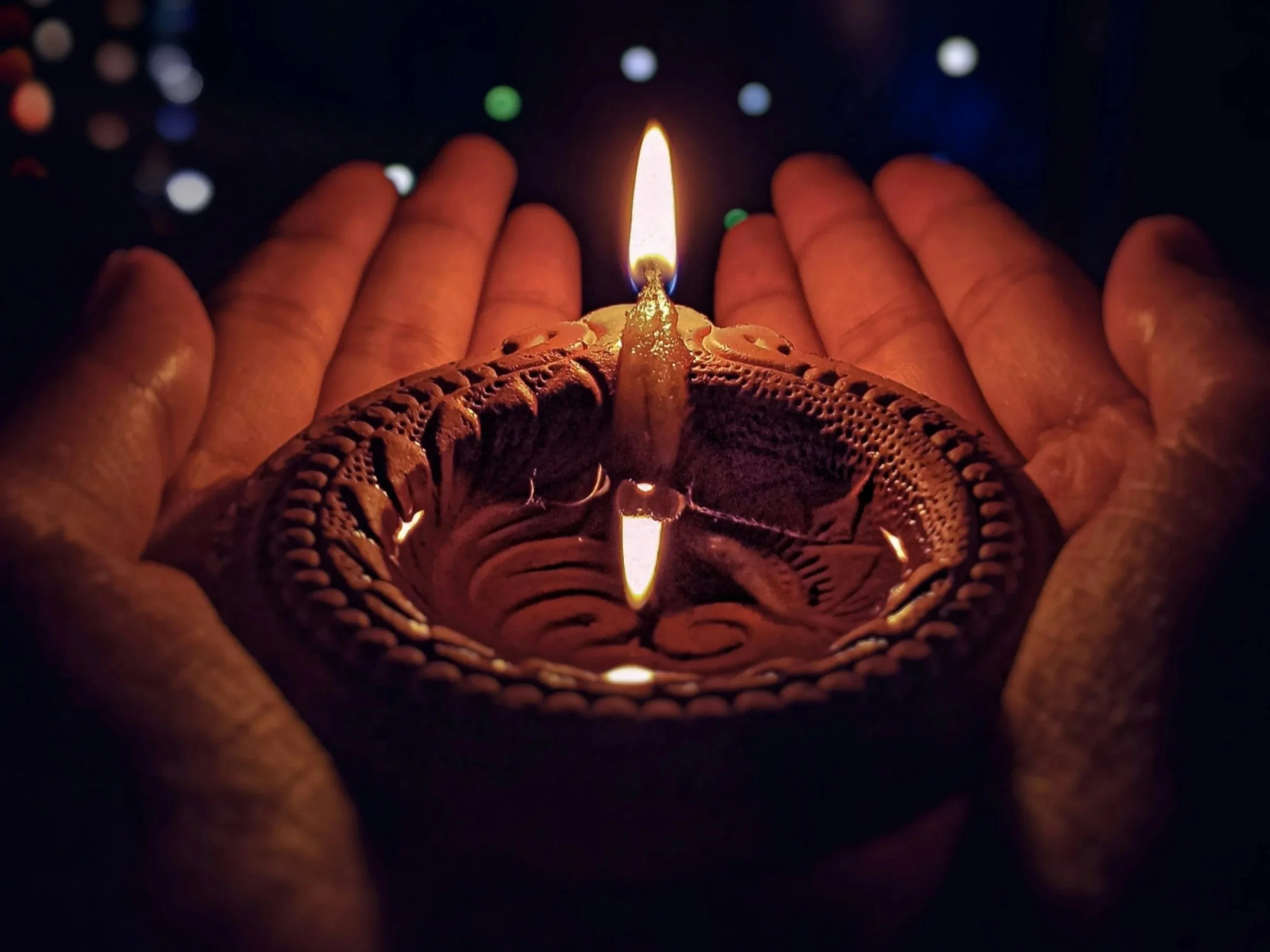
During Diwali, the Festival of Lights, homes glow with candles, lanterns, and intricate rangoli designs. Families gather to share meals, exchange sweets, and honor the triumph of light over darkness. Fireworks crackle in the sky, and the air feels warm with hope.
What it teaches us:
Diwali teaches us about renewal, gratitude, and the importance of welcoming light — both literal and symbolic — into our lives. It’s a celebration of resilience and the belief that goodness, even in small acts, can illuminate the world.
Obon — Japan
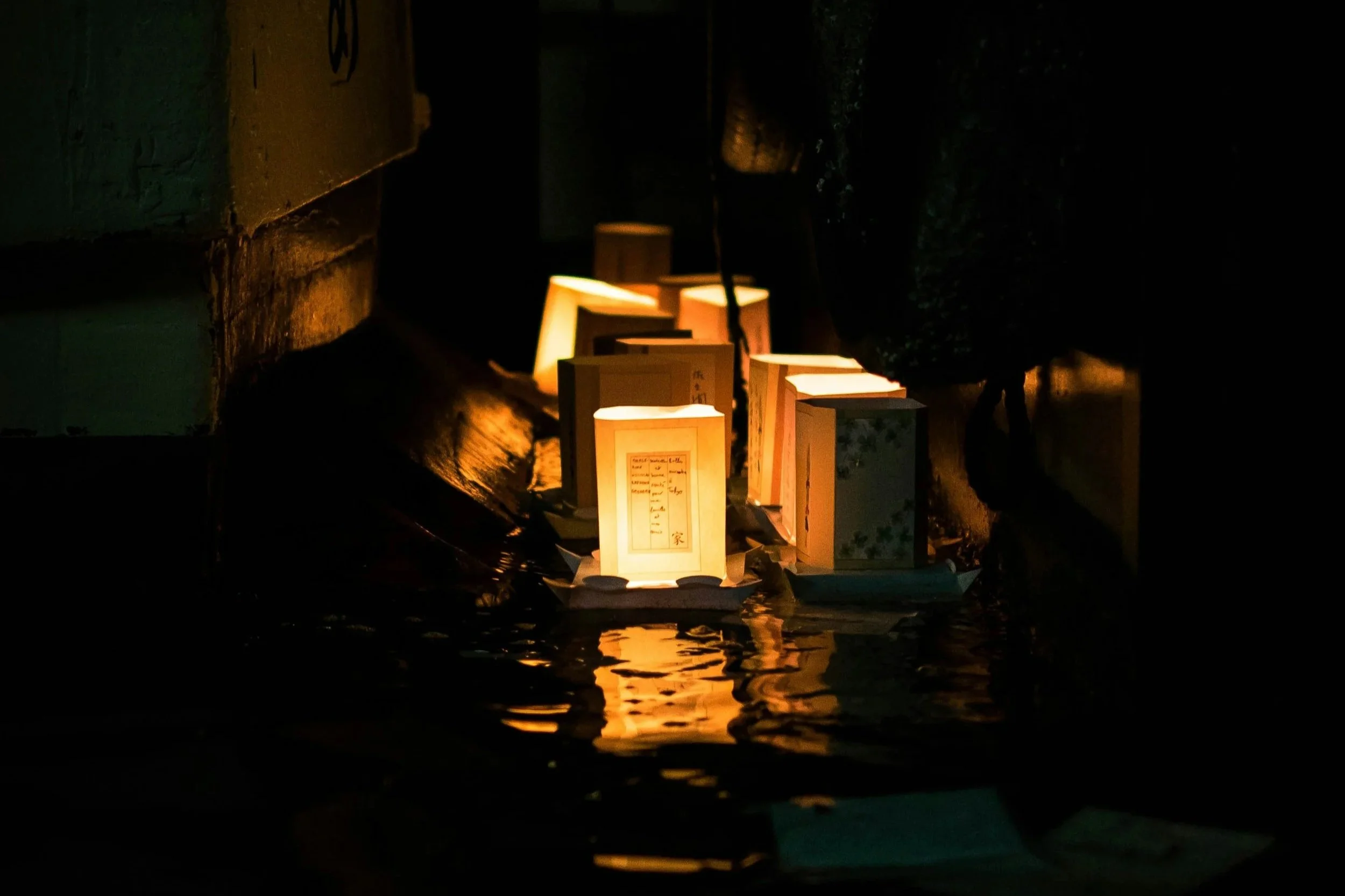
Obon is a gentle, reflective festival honoring ancestors. Lanterns float down rivers, guiding spirits home, while families visit graves, tidy gardens, and gather for traditional dances called Bon Odori. It’s quiet, tender, and deeply meaningful.
What it teaches us:
Obon reminds us that remembrance is a form of love. It teaches us that honoring the past doesn’t hold us back — it grounds us. It’s a celebration of connection across generations, and a reminder that family stories shape who we become.
Dia de los Muertos — Mexico
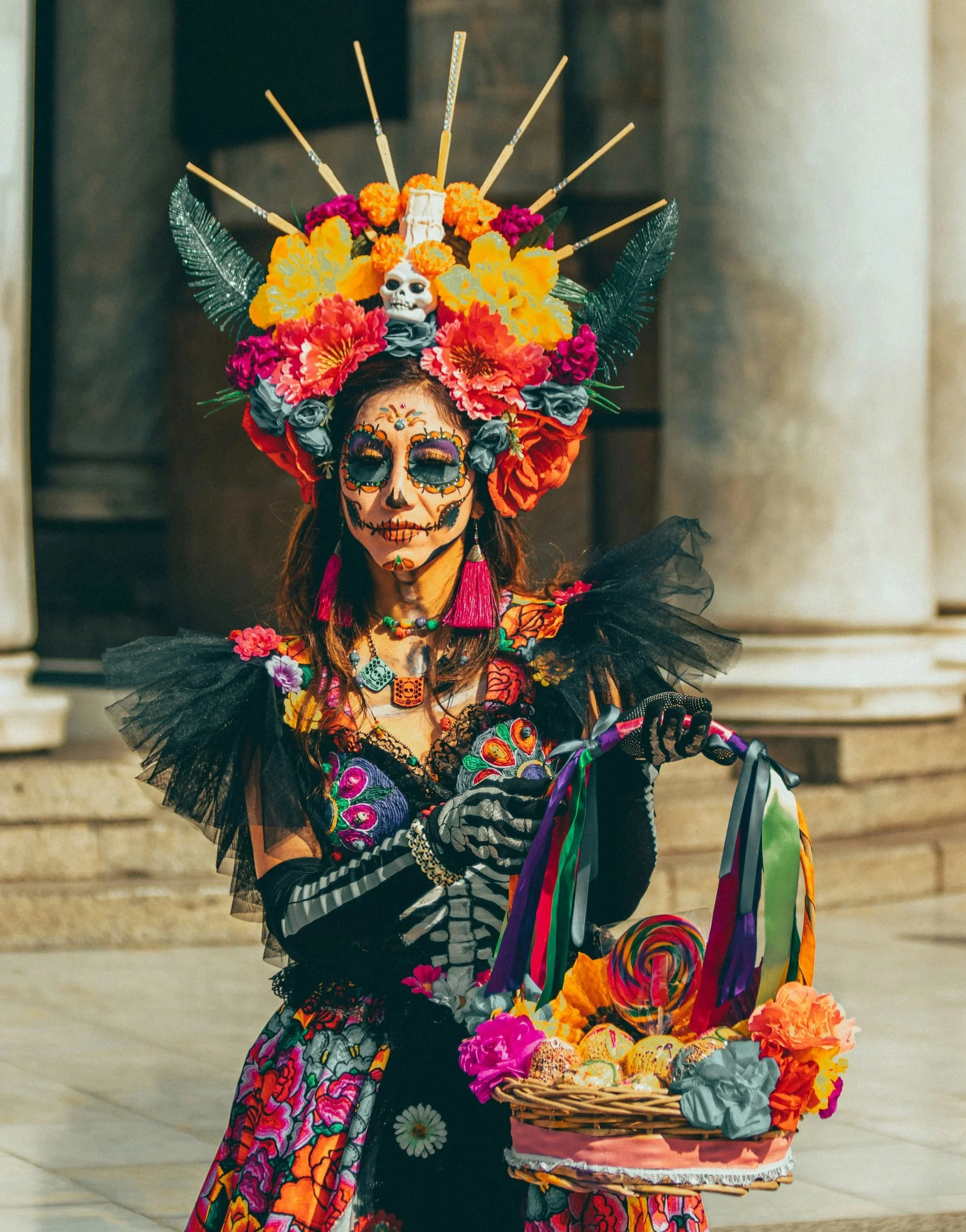
Far from being somber, Dia de los Muertos is a vibrant celebration of life and memory. Families build altars adorned with marigolds, candles, and photos of loved ones. Bakeries fill with sugar skulls, musicians play in the streets, and cemeteries glow with candlelight as families gather to share stories and food.
What it teaches us:
Dia de los Muertos shows us that grief and joy can coexist. It teaches us that remembering those we’ve lost is a celebration, not a sorrow. And it reminds us that culture is often found in the way we honor the people who shaped us.
What These Festivals Share
Though they span continents and centuries, these festivals have something in common:
They bring people together.
They celebrate identity.
They honor the stories that make a place unique.
And when you travel to experience them — with curiosity, humility, and respect — you’re not just witnessing culture. You’re participating in it. You’re stepping into a moment that has existed long before you and will continue long after, carrying with you a deeper understanding of the world and your place within it.
Ready to Experience These Festivals for Yourself?
If these celebrations sparked something in you — a curiosity, a longing, a sense of wonder — I’d love to help you turn that feeling into a meaningful journey. Whether you’re dreaming of lantern‑lit nights, ancient traditions, or vibrant street celebrations, I can help you plan a trip that connects you to the heart of a place, not just the postcard version.
Let’s start crafting your next unforgettable cultural experience.
