

How Different Cultures Celebrate the Holidays: Traditions Worth Traveling For
There's a version of the holidays most of us grow up with: the tree, the lights, maybe a certain song that only gets played this one time of year. But travel has taught me, again and again, that the holidays look wonderfully different depending on where you're standing. The traditions change, but the feeling underneath them doesn't: family gathered close, a little bit of magic in the air, and the sense that this particular stretch of the calendar deserves to be marked.
I love this time of year for exactly that reason. Here are a few of my favorite holiday traditions from around the world, the kind of thing I think is genuinely worth building a trip around.
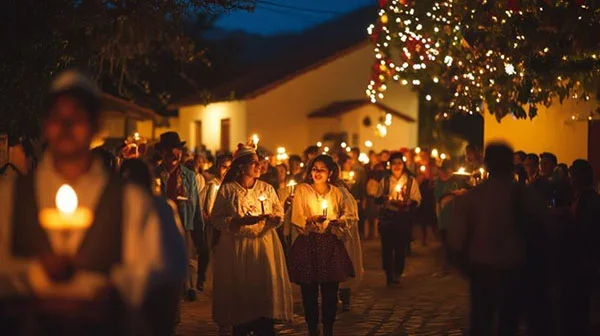
Mexico: Las Posadas and Noche Buena
For nine nights leading up to Christmas, communities across Mexico reenact Mary and Joseph's search for shelter through Las Posadas, a candlelit procession that moves from house to house, with carolers singing at each door until finally being welcomed inside for food, music, and a piñata for the kids. It builds, night after night, into Noche Buena on December 24th, a late family feast that often stretches past midnight into Christmas Day itself.
Imagine being folded into one of those processions as an outsider and leaving as something closer to a guest of honor, candle in hand, voice joining a song you're only just learning the words to. That's the kind of evening that stays with you far longer than any landmark does.
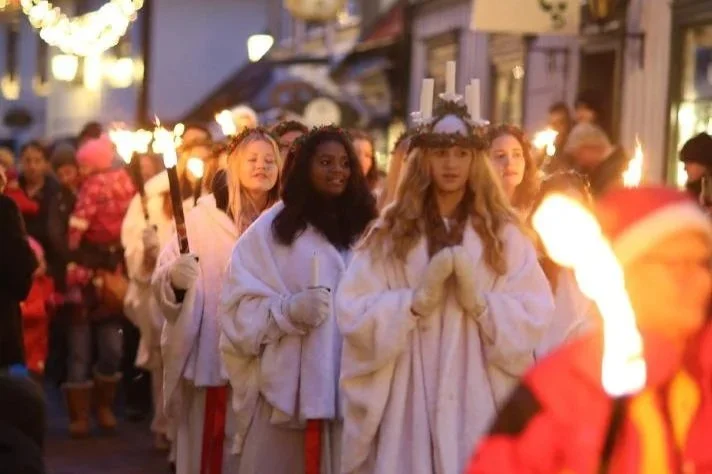
Sweden: St. Lucia Day
On December 13th, Sweden marks St. Lucia Day with a tradition that feels almost cinematic: young women (and increasingly, boys and girls together) process through the pre-dawn darkness wearing white gowns and crowns of candles, singing traditional songs as they go. Saffron buns called lussekatter and mulled wine, glögg, follow soon after.
There's something quietly moving about watching a country lean into its darkest, shortest days by filling them with candlelight rather than fighting the darkness. It's the kind of tradition that reframes what "holiday cheer" can look like entirely.
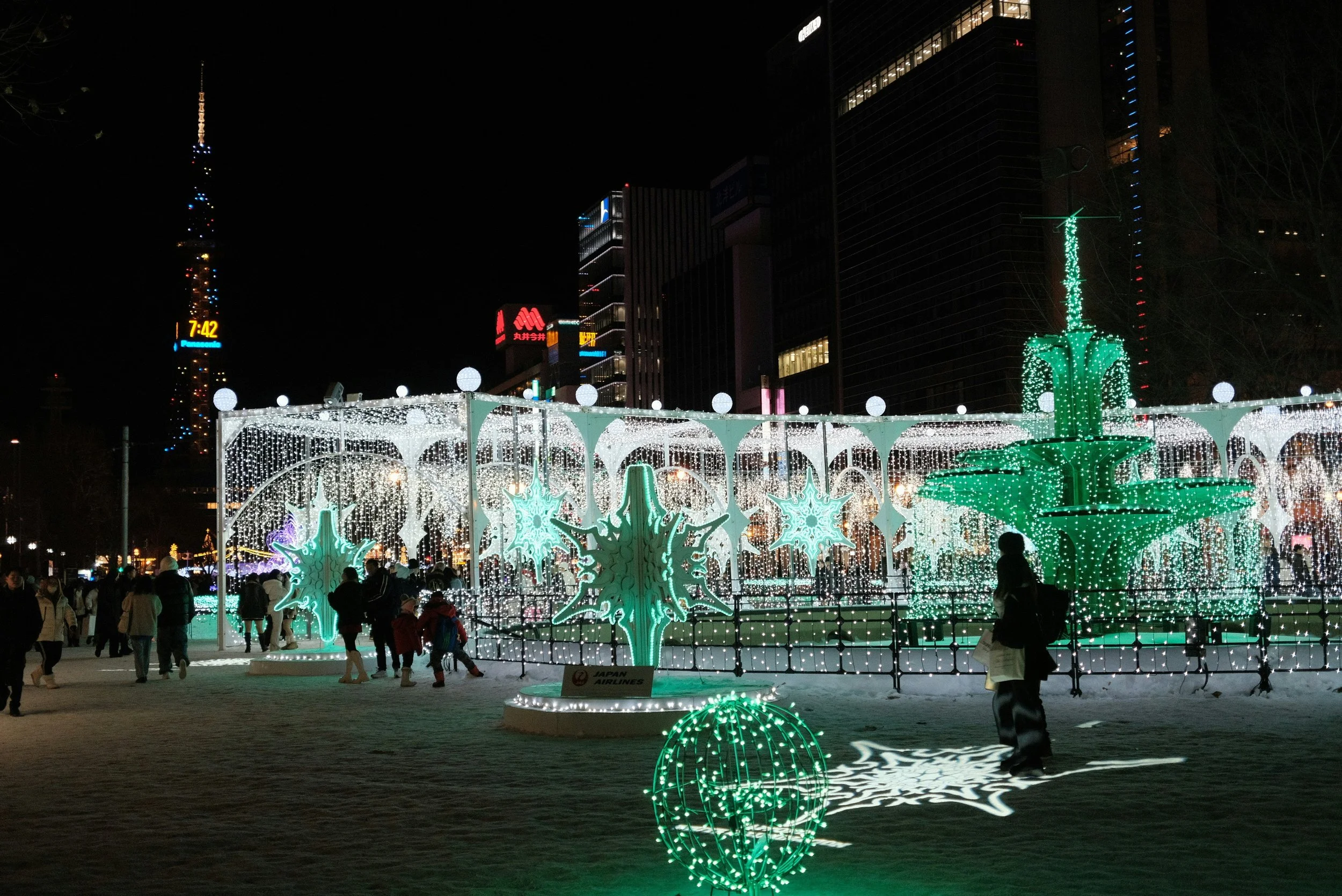
Japan: A Holiday Reimagined
Christmas in Japan isn't a religious or even a particularly traditional holiday, and that's exactly what makes it fascinating. It's become something closer to a romantic, family-centered evening built almost entirely around its own new customs: illuminated light displays transform cities into something genuinely magical after dark, and a very specific, very beloved tradition has taken hold, families lining up, sometimes for hours, for a Christmas Eve bucket of fried chicken, a custom that started decades ago and never let go.
It's a wonderful reminder that a culture doesn't have to inherit a holiday to make it beautifully its own.
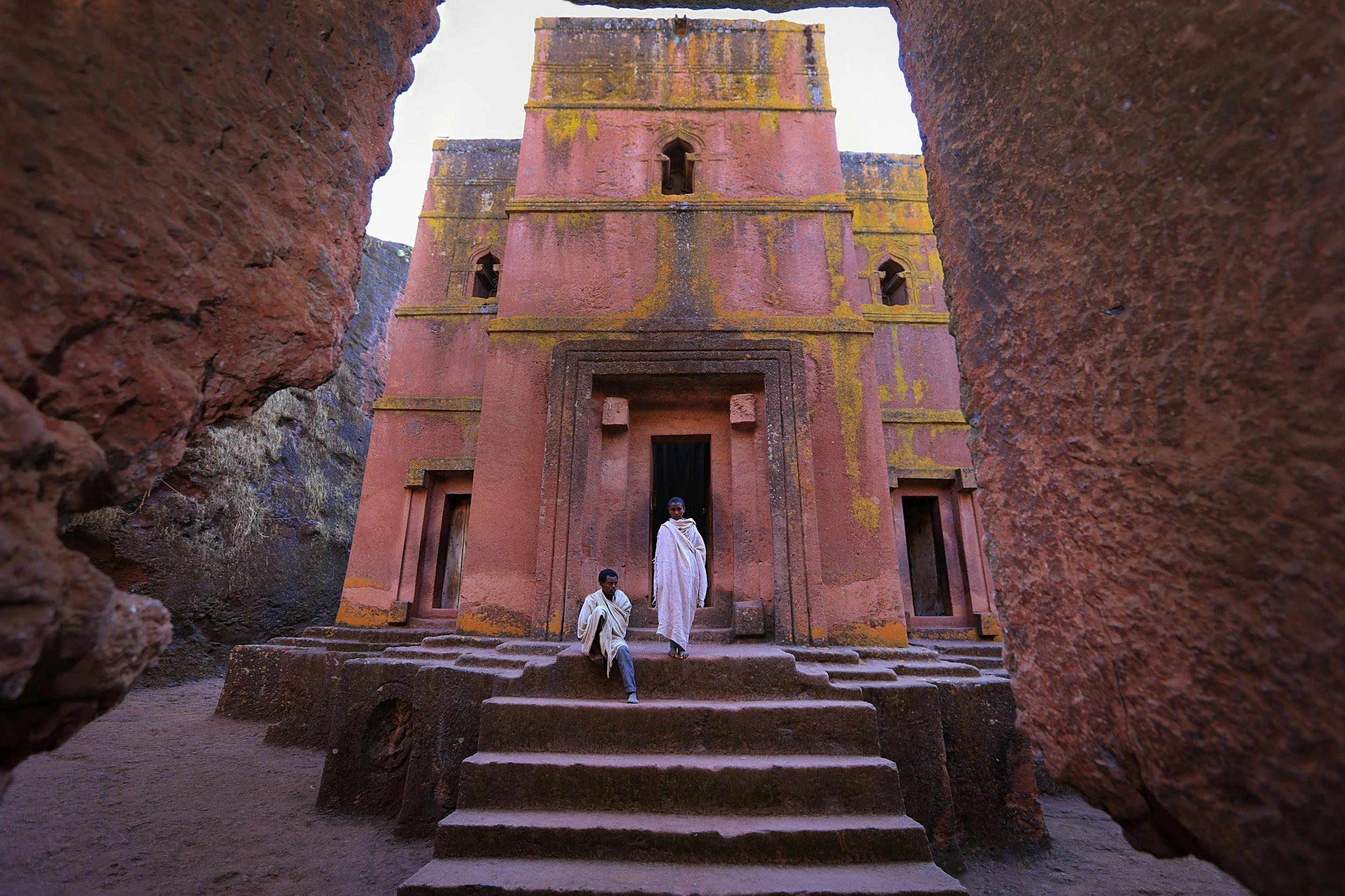
Ethiopia: Genna
Ethiopia's Orthodox Christian community celebrates Christmas, known as Genna, on January 7th, following the Ethiopian Orthodox calendar. The day begins with an all-night church service, many worshippers dressed in white, gathering at ancient rock-hewn churches like those in Lalibela, candles glowing in the pre-dawn dark. Genna itself, a traditional game resembling field hockey, is often played afterward, giving the holiday its name.
There's a particular kind of awe in witnessing a centuries-old tradition play out in a place as extraordinary as Lalibela's carved stone churches, a destination that would be remarkable at any time of year, made unforgettable by arriving during Genna.
The Philippines: Simbang Gabi
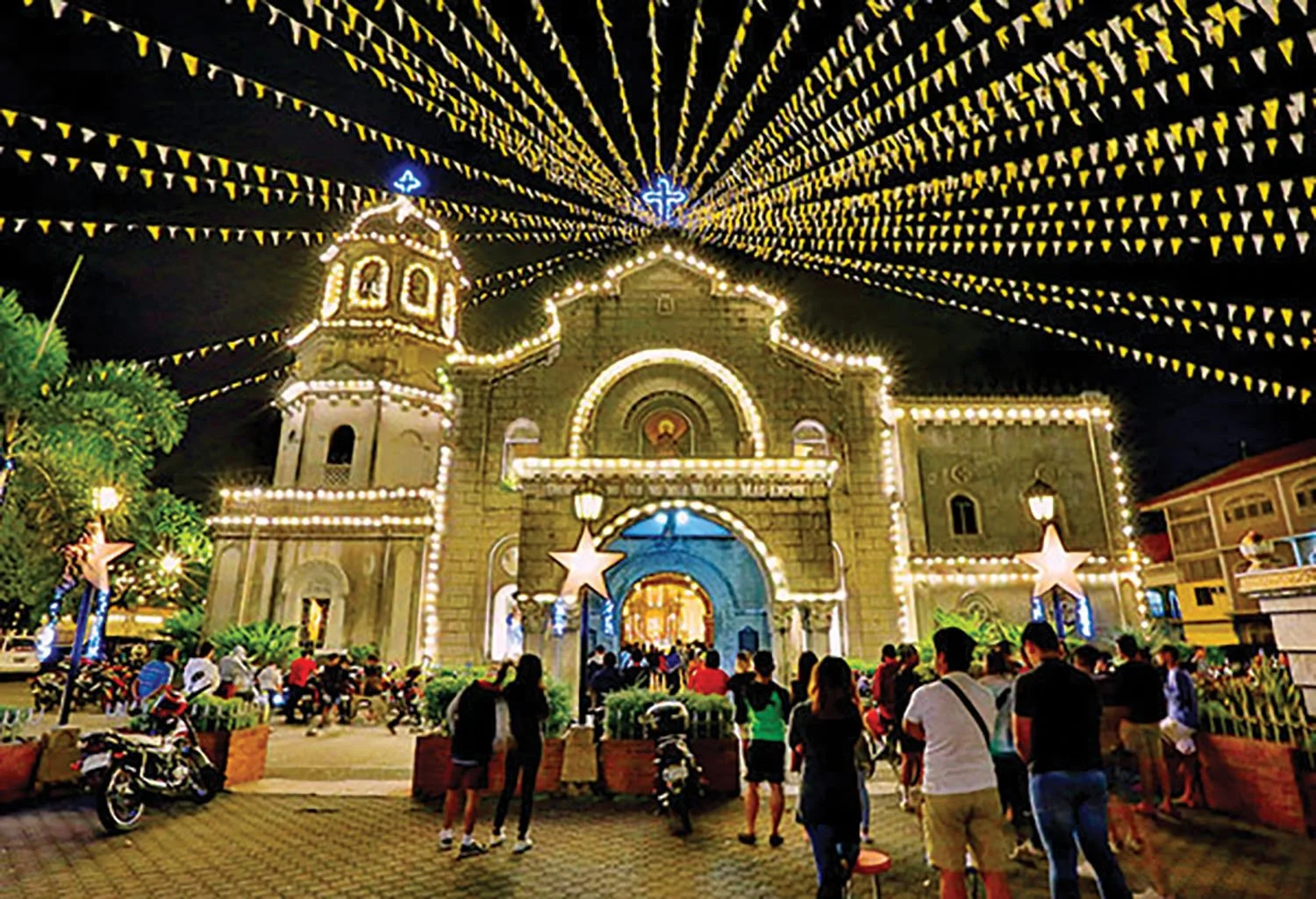
The Philippines holds the distinction of the world's longest Christmas season, and nowhere captures that more than Simbang Gabi, nine consecutive dawn masses beginning December 16th, historically timed for farmers heading to the fields before sunrise. Streets fill with the smell of puto bumbong and bibingka, rice cakes cooked over charcoal, sold by vendors just outside the church.
Waking before dawn for a Simbang Gabi mass, then stepping out into a street already bustling with food vendors and neighbors greeting each other by name, is a version of "holiday spirit" that has very little to do with shopping and everything to do with community.
Iceland: The Thirteen Yule Lads
Icelandic children don't wait for a single visit from a single figure. Instead, thirteen mischievous Yule Lads, descendants of trolls, arrive one by one over the thirteen nights before Christmas, leaving small gifts (or, for badly behaved children, a rotting potato) in shoes left on windowsills. Each Yule Lad has his own peculiar specialty, from Door Slammer to Spoon Licker, and the tradition turns the entire lead-up to Christmas into its own slow-building story.
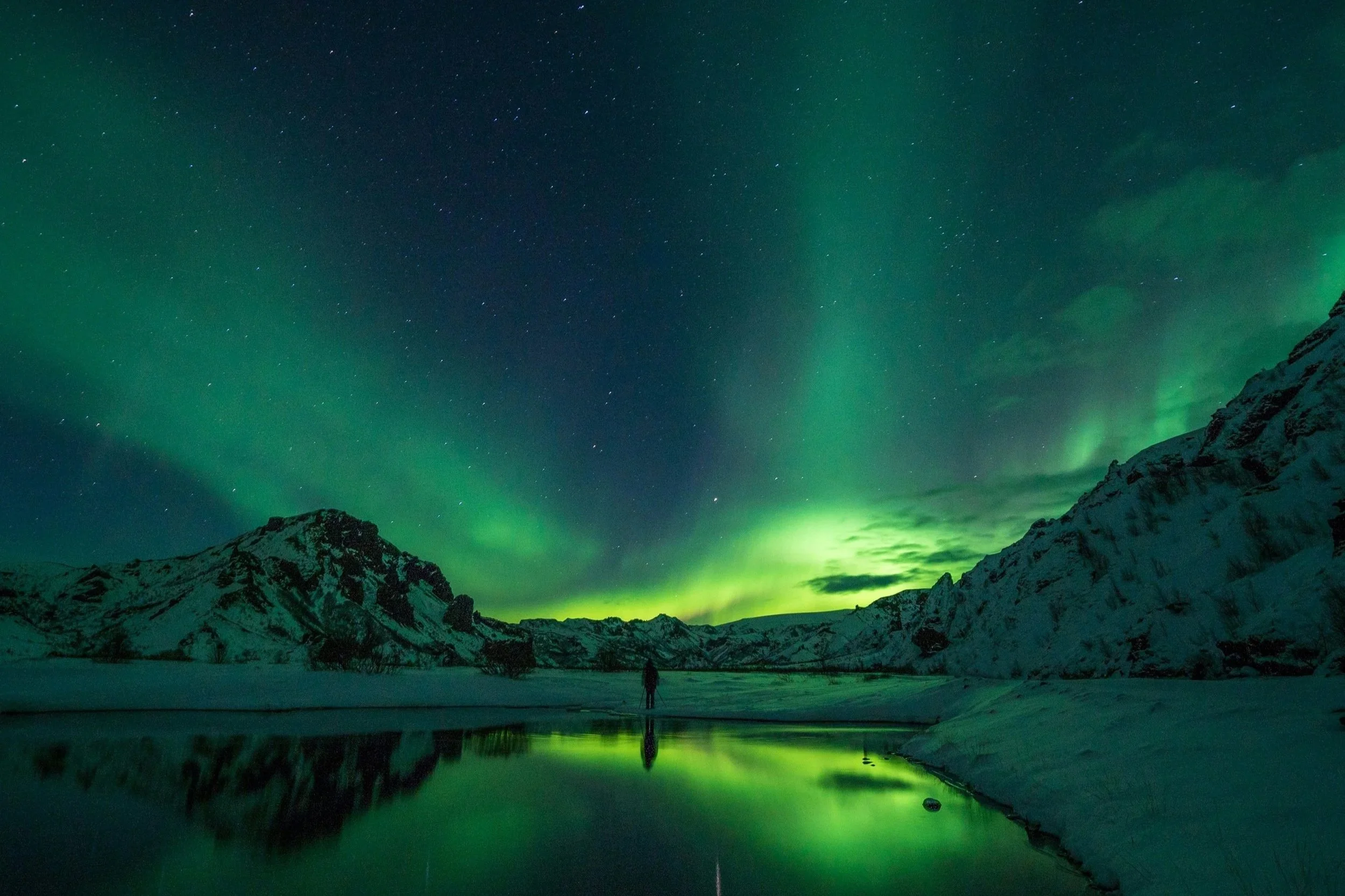
It's whimsical in a way that feels distinctly Icelandic, folklore and family tradition woven together against a backdrop of long winter nights and, if you're lucky, the aurora overhead.
Why I Love Building Trips Around This
Every one of these traditions offers something a typical vacation doesn't: a window into what a place actually values, told through its own rituals rather than a tourist's itinerary. These aren't performances staged for visitors. They're the real thing, happening whether you're there to see it or not, which is exactly what makes witnessing them in person so meaningful.
If any of these traditions sparked something in you, I'd love to help you build a trip around it. The best experiences like these take a little lead time to plan well, so if a 2027 holiday season centered on Lucia candles, Simbang Gabi mornings, or Genna in Lalibela sounds like your kind of trip, now's the time to start the conversation.
